
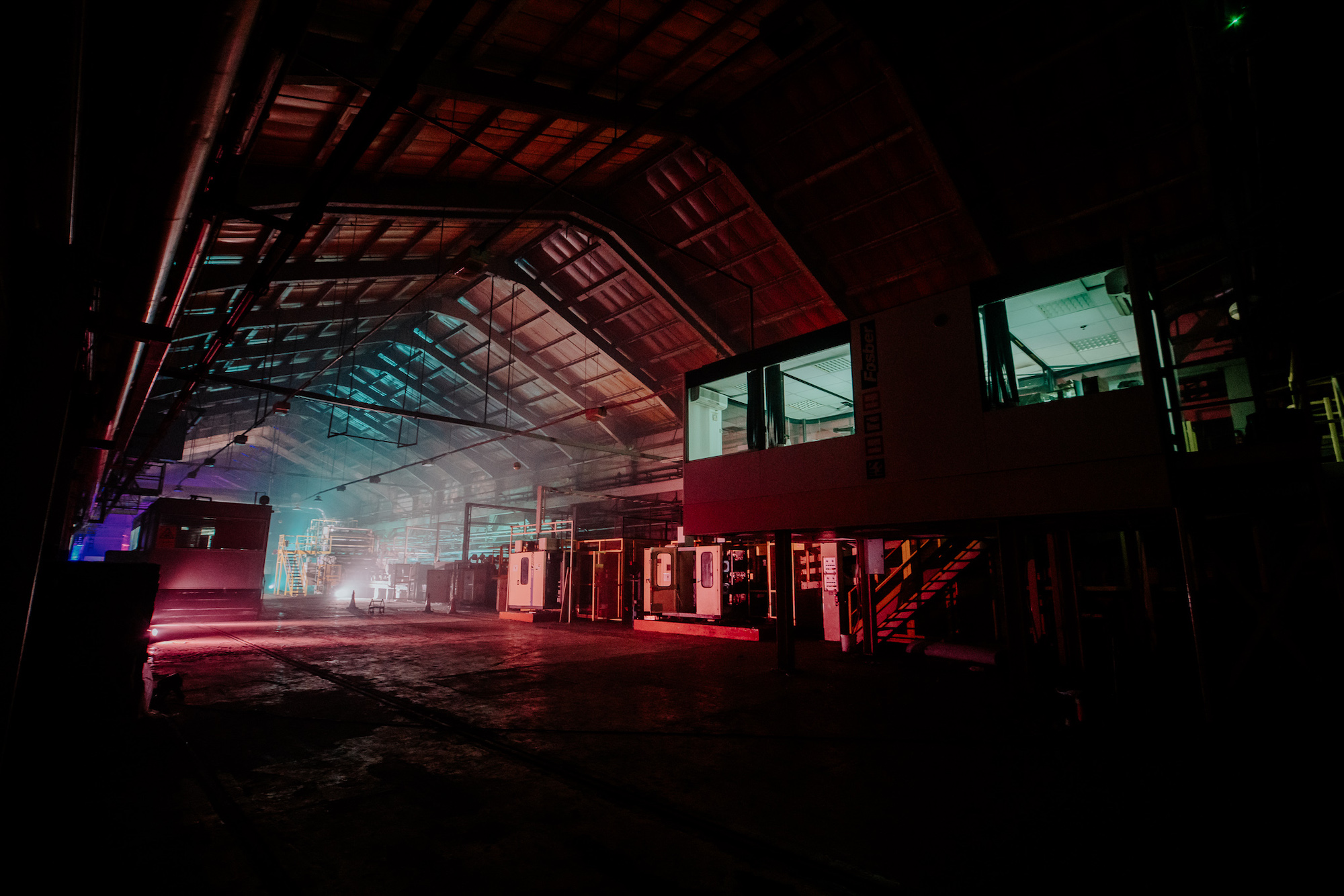

Threaded throughout the 2026 programme are a series of newly commissioned interdisciplinary collaborations and site-responsive works, waiting to be encountered by visitors as they explore The Paper Factory.
Artists, musicians, poets and performers have joined forces to create something unique for this year’s former factory space. Throughout the festival, recurring works and programme-wide collaborations inhabit the building’s “Last Shift”. Together, they build a shifting portrait of The Paper Factory, both real and imagined, through fragments of its past, present and possible futures.
This year’s festival explores how spaces and objects hold memory, and how traces of everyday activity become preserved, misremembered or reimagined over time.
Audiences will navigate the site as the programme unfolds around them. Unique experiences will be shaped through individual routes, encounters and personal perspectives. No single path will reveal the whole picture as works overlap and unfold throughout the building.
These recurring works and programme-wide collaborations will feature every night of the festival from Wednesday 3rd – Sunday 7th June.
Ghosts in the Machines is a roaming physical theatre and performance work featuring animal-like figures emerging from the fragments and residues of The Paper Factory itself.
The Ghosts are not remnants of the past, but figures from an imagined future, moving through the building as if excavating it for meaning. Awoken during last year’s festival, they now return changed, undertaking strange forms of nightly labour as they gather, examine and activate traces of a world they no longer fully understand.
Driven by repetitive rituals and a sense of loss, the Ghosts continue their search through the factory for a missing figure — their lost pigeon companion.
Ghosts in the Machines evolved from Ghost in the Machine, first developed for Hidden Door 2025 by Jill Martin Boualaxai in collaboration with Elvey Stedman, Fiona Oliver-Larkin, Alma Lindenhovus and the Sativa Drummers. Performers for the 2026 work are Elvey Stedman, Fiona Oliver-Larkin and Aimee Mccallum.


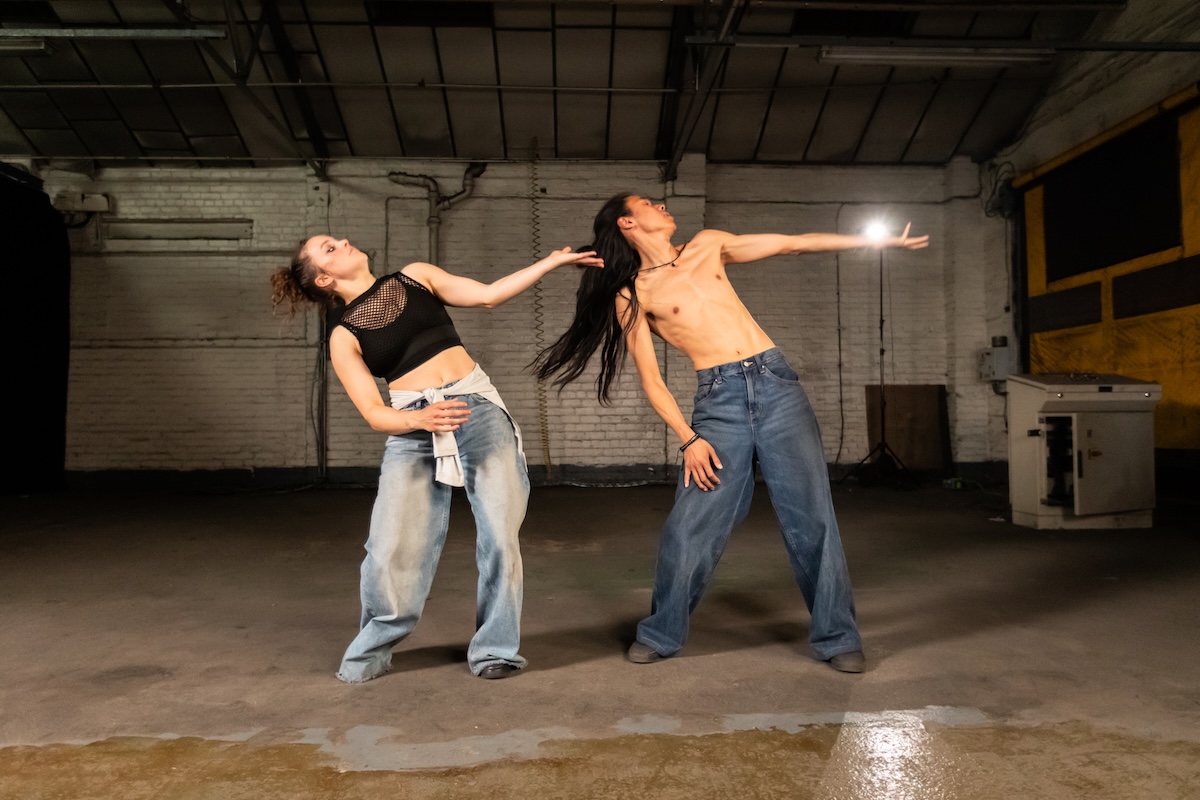
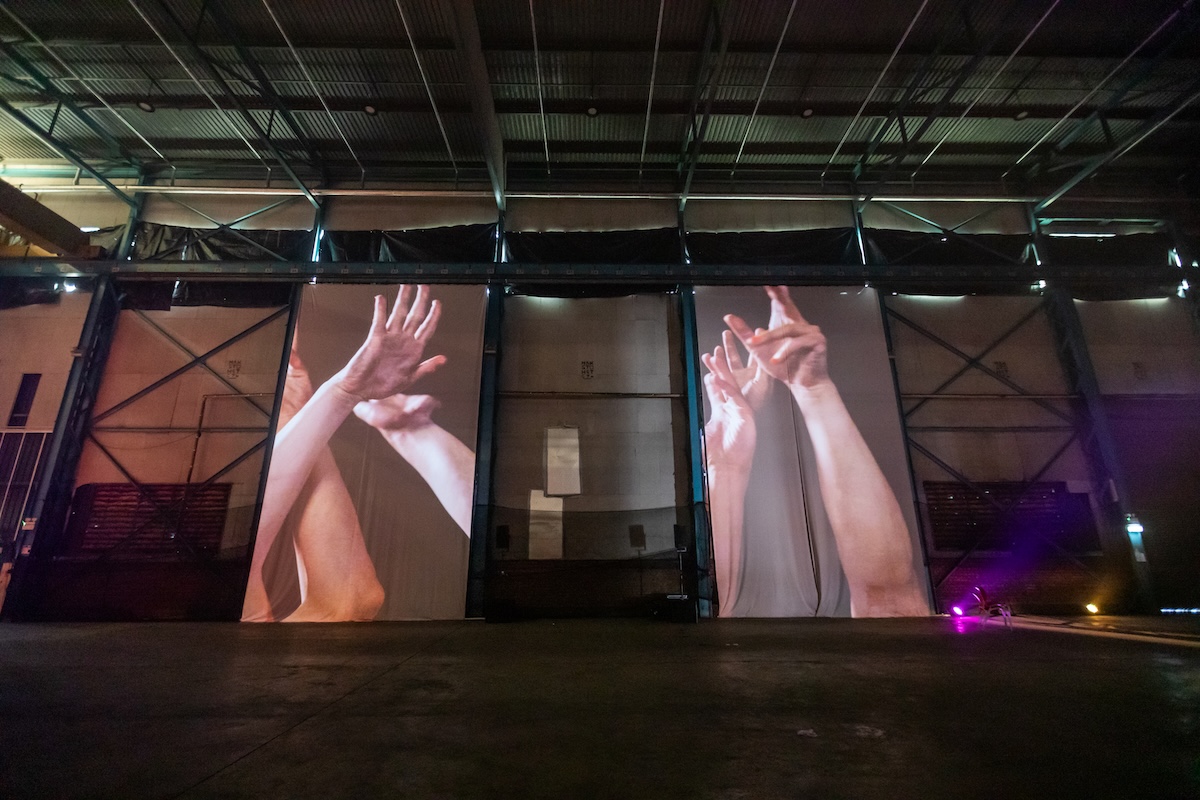
Everyone Left is a live site-responsive dance performance and moving image work unfolding through recurring activations across The Paper Factory.
Emerging unexpectedly within the building throughout the evening, performers appear and disappear through a sequence of choreographed encounters shaped by surveillance footage, projection, sound and industrial architecture. CCTV cameras relay live feeds between spaces, creating fleeting overlaps between live performance and mediated image across the site.
Expanding from the original film installation by Abby Warrilow and Lewis Gourlay presented at Hidden Door 2025, the work explores the after-hours life of buildings once their original purpose has faded. Drawing on rave culture, temporary occupation and the unofficial social histories of industrial spaces, Everyone Left traces the lingering presence of bodies, movement and collective experience embedded within the architecture long after the working day has ended.
The Machine Stops is a celebration of factory life told as a mini symphony of words, pictures and noise in five short acts.
Recordings of former factory workers talking about life on the shop floor are punctuated by images of what was left behind after they clocked off for the final time. Industrial rhythms increase productivity until shutdown, and the last shift is over.
The Machine Stops is a collaboration between Neil Cooper, Luke Bell, Jill Boualaxai Martin, Andrew Dawson, Tom Flint and Paul McCluskey with the Sativa Drummers, and featuring the voices of Jim Scott and Marlyn Price.
The event includes material originally developed with Eszter Marsalkó and Stephanie Lamprea, with nods to Marguerite Duras and Glenn Gould.

At the entrance to the site, Silas Thomas Parry’s Hope Tornadoes transforms the darkened threshold into an immersive environment of movement, light and sound.
Developed in collaboration with lighting designer Sam Jones and sound artist Midi Paul, the installation combines swirling kinetic sculpture, responsive lighting and layered audio to create a shifting sensory encounter as audiences enter the festival.
Together, they create whirling engines of dreams and wishes, to keep us moving towards a better tomorrow. This collaboration also folds into Andrew J Brooks’ wider site-responsive sound piece, Resonant Memory.
Woven throughout the festival’s installations, performances and audience encounters are a series of evolving sonic environments by sound artist Andrew J Brooks.
Using ambient, contact, geophone, hydrophone and probe microphones, Brooks has created recordings drawn directly from the architecture of The Paper Factory itself. As the building remembers, sound mediated through its physical structure carries traces of memory, retelling fragments of its stories across past, present and imagined futures.
Lost Pigeon Radio is an evolving broadcast artwork and expanded audio-described tour woven through the wider world of the festival from artist Juliana Capes.
Sometimes transmitted live and sometimes through pre-recorded fragments, the work is inspired by the onsite pigeons and their role as messengers, witnesses and navigators of the Paper Factory past and present. Lost Pigeon Radio offers a shifting bird’s-eye perspective on the festival world. The work may emerge through hidden listening points, be available to listen via QR codes on site, or can be experienced remotely online.
Designed partly to support blind and visually impaired audiences, neurodiverse audiences and remote listeners, the project also exists as an artwork in its own right – a listening experience that will fly pigeon like between accessibility, storytelling and description.
Led by Laura McGlinchy, this collaboration expands on Laura’s practice of working with everyday and recycled materials to create woven sculptural environments from cardboard, paper and found materials.
Developed collaboratively with volunteers, artists and the wider festival community, the project will transform the first factory floor bar into a large-scale nest-like structure of suspended forms, canopies and sculptural interventions. Built from raw materials connected to the history of the paper factory itself, the work echoes processes of gathering, sorting and transformation embedded within the site.
The installation also connects conceptually to the wider world of the festival, linking to the ghost figures, the movement of materials through the building, and recurring ideas of collection, ritual and collective labour across the programme.


Poet and performer Josh Cake had conversations with seven of our visual artists about the processes behind their artworks in Hidden Door 2026. Josh then turned these conversations into songs that tell you about these processes.
This is the story of Hidden Door’s art and our artists, told through song.