
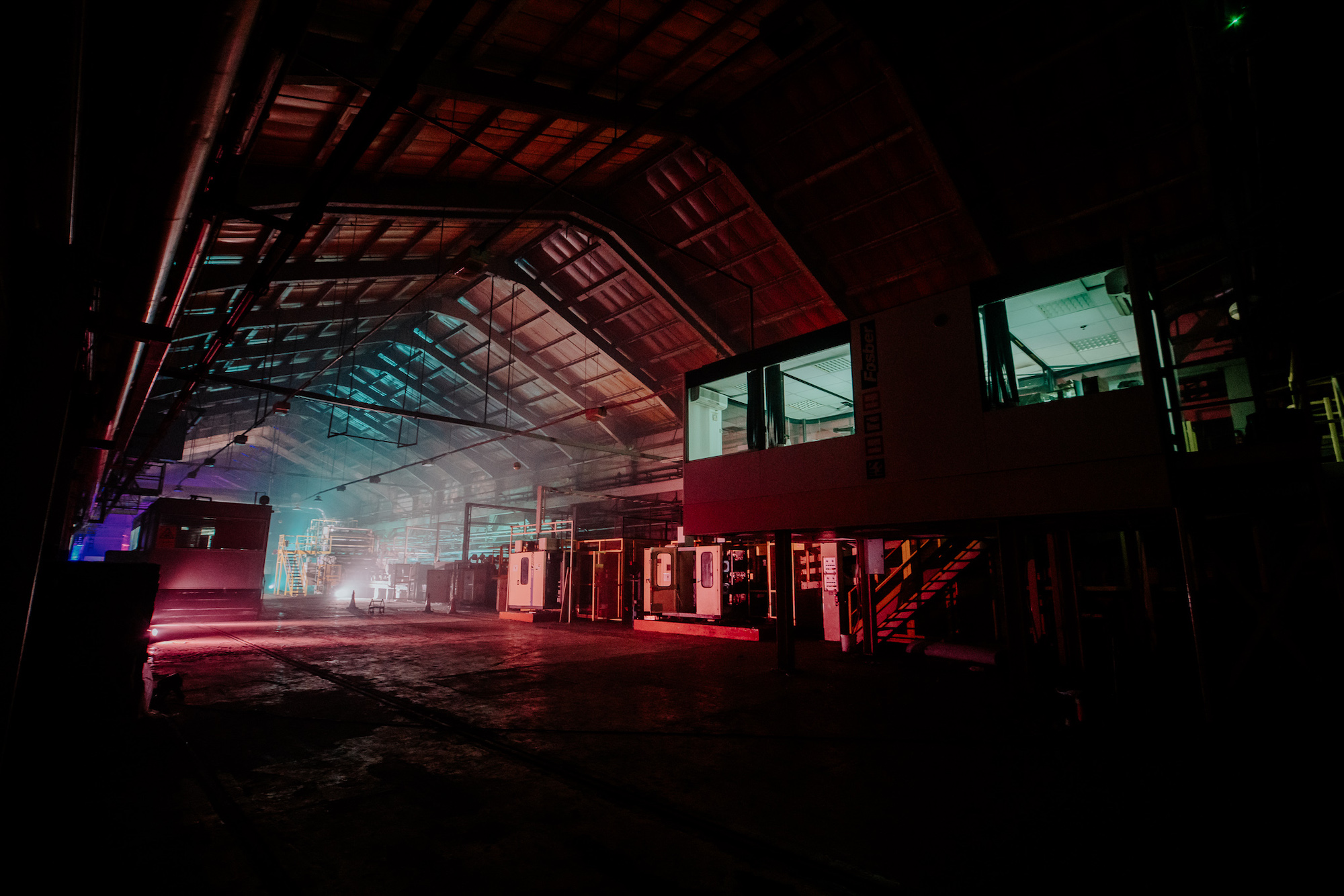
Review: I Might Not Make It (Feb 2025)
Our Artist Development Programme provides an opportunity for members to have creative reviews published here on our website. This provides valuable experience in publishing written reviews and work, offering a platform for the authors whilst also sharing creative work taking place across Scotland. These independent reviews are the personal reflections of the author and are not an official view or endorsement from Hidden Door.
This review is by Rebecca Green, a writer and artist based in Edinburgh. Photos courtesy of Chris Scott.
February 2025
I Might Not Make It is a long-term collaboration between Lebanese dance artist Sarah Fadel and Edinburgh-based physical performance practitioner Liz Strange. The collaboration began three years ago as part of Precipitate, a bespoke creative lab that connected dance artists from Scotland and Lebanon, facilitated by Dancebase and Yarqa, supported by the British Council. For three months, the artists participated in weekly Zoom conversations and devising sessions.
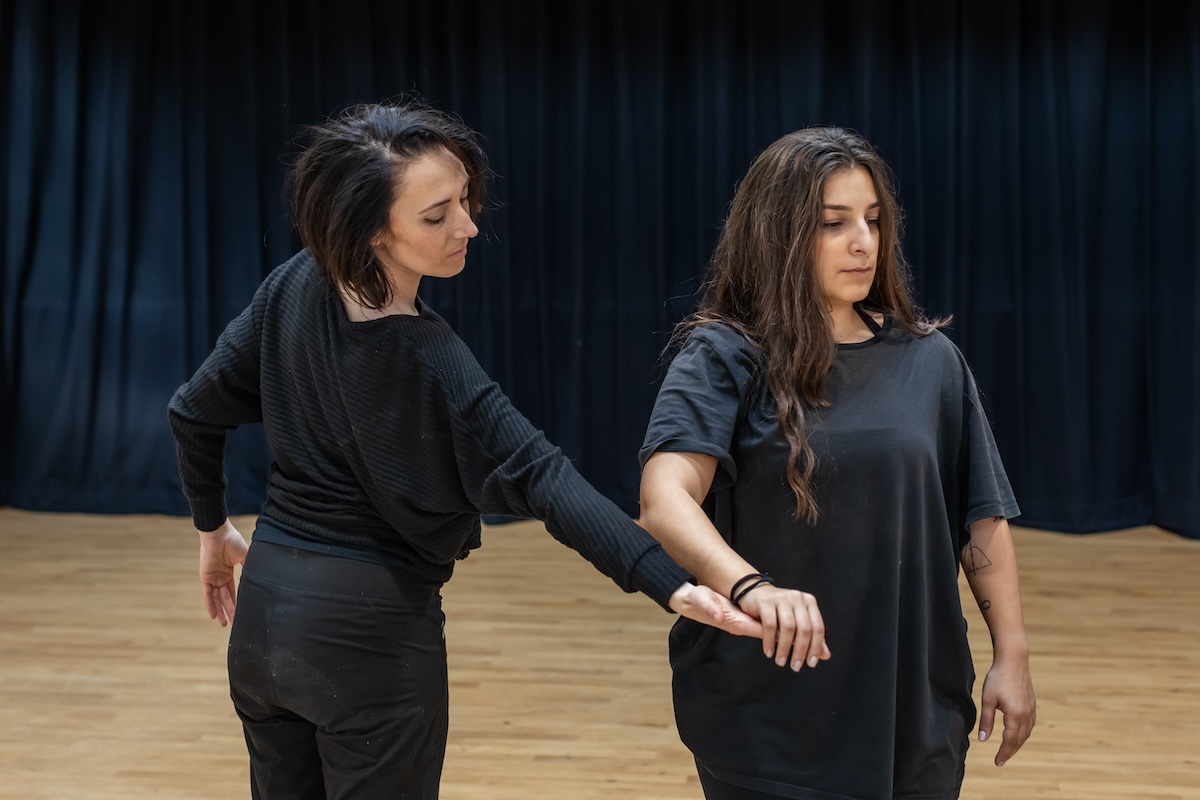
The sharing of the artists’ first physical meeting in three years took place on February 14th 2025 at Dance Base, as part of the Manipulate Arts Festival. This year, the Manipulate programme featured only live works by Scotland-based artists, in response to feedback from the community. Artists expressed feeling they had nowhere to go after the shocks of 2024, and there was a concurrent desire to emphasize sustainability—both environmental and in terms of the wellbeing of sector employees. The theme of burnout resonates with both Strange and Fadel, who are grappling with the challenge of maintaining a practice in the face of personal crises. Their work refuses to conform to typical ‘resilience’ narratives, which glorify the heroic act of triumph over adversity. This narrative becomes questionable when viewed as a resource within a sector, rather than as a personal strength meant for moments of crisis only. Instead, they resist these pressures, which should arguably be addressed by the sector and society at large, rather than by the individuals facing them.
Upon arrival, the audience was welcomed by the dramaturg, facilitator and producer, Emma Jayne Park, who greeted them at the door. The artists had set up the studio as a resting space, allowing the audience time to settle in. Some attendees used mats and blankets, stretching out with headphones on and eyes closed, while others chatted, seated on bean bags or chairs. A clear space in the centre of the room was prepared for the performance, but the artists also participated in the resting period, sitting wrapped in blankets or walking freely around the space. Some were knitting, and others observed the scene.
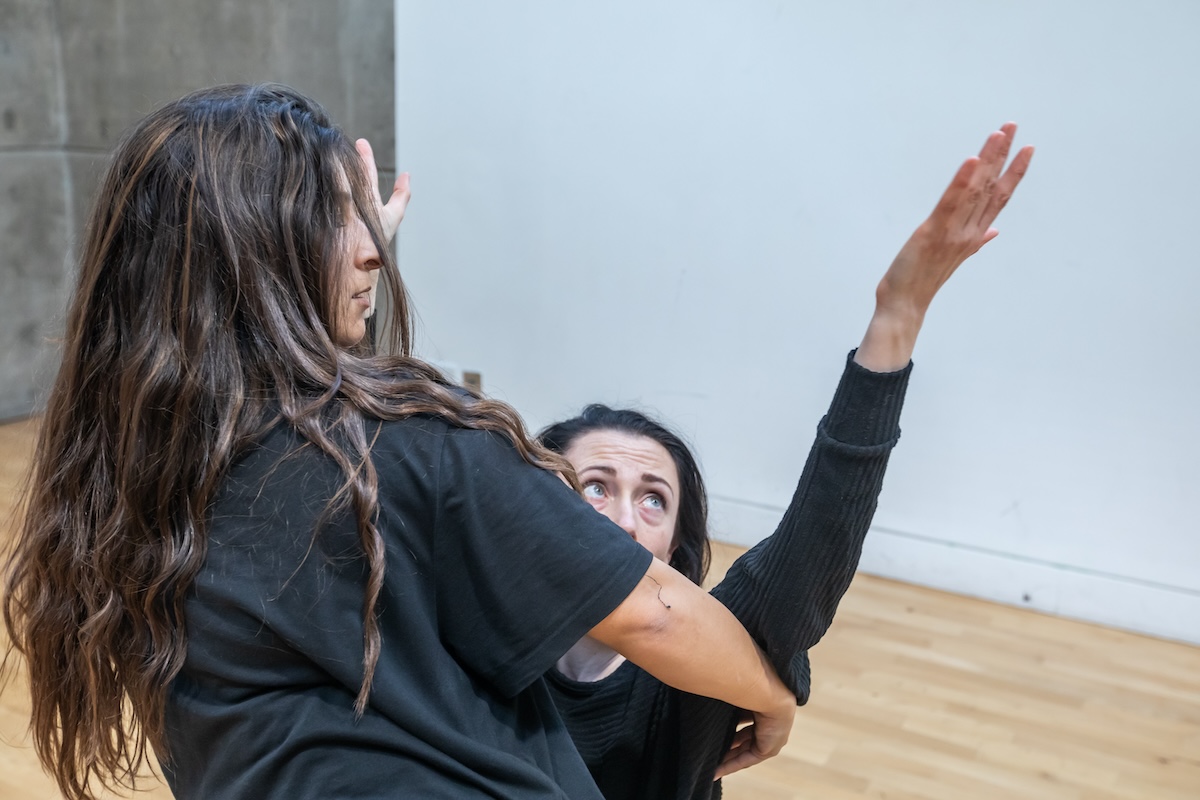
This was a relaxed performance, and as Emma pointed out, a practice that can be traced back to disability rights activism during the 1970s. Relaxing traditional theatre etiquette makes performances more accessible, particularly for those with sensory needs, such as neurodivergent individuals, although as noted in the audience Q&A, the benefits extend to others as well. A question about the architecture of conventional theatre spaces prompted a discussion about how these spaces—historically shaped by class systems—affect who is seen, who performs, and how this influences feelings of belonging or discomfort. During the Q&A, the artists reflected on the kind of work they would need to do in such spaces to counter these embedded societal structures.
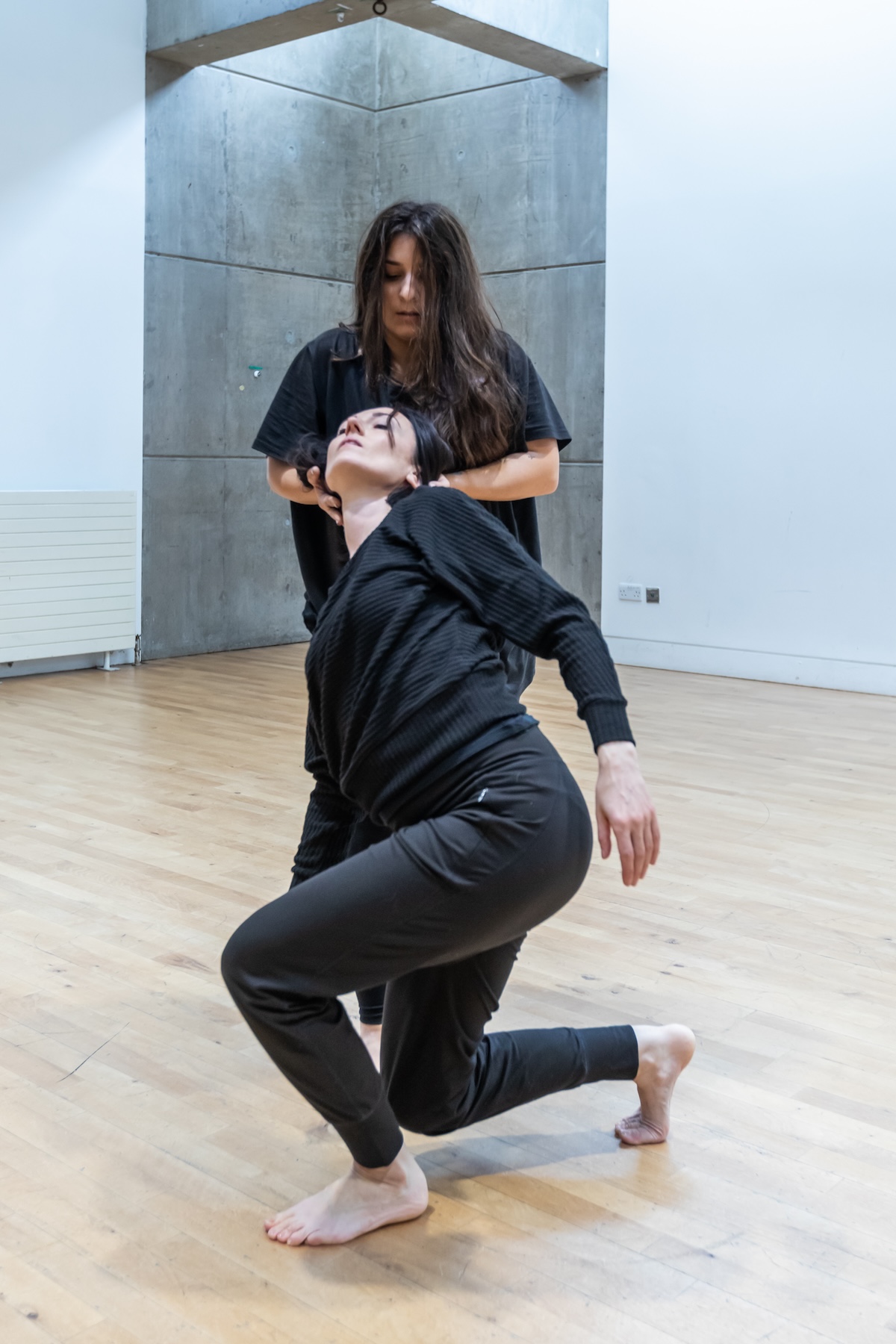
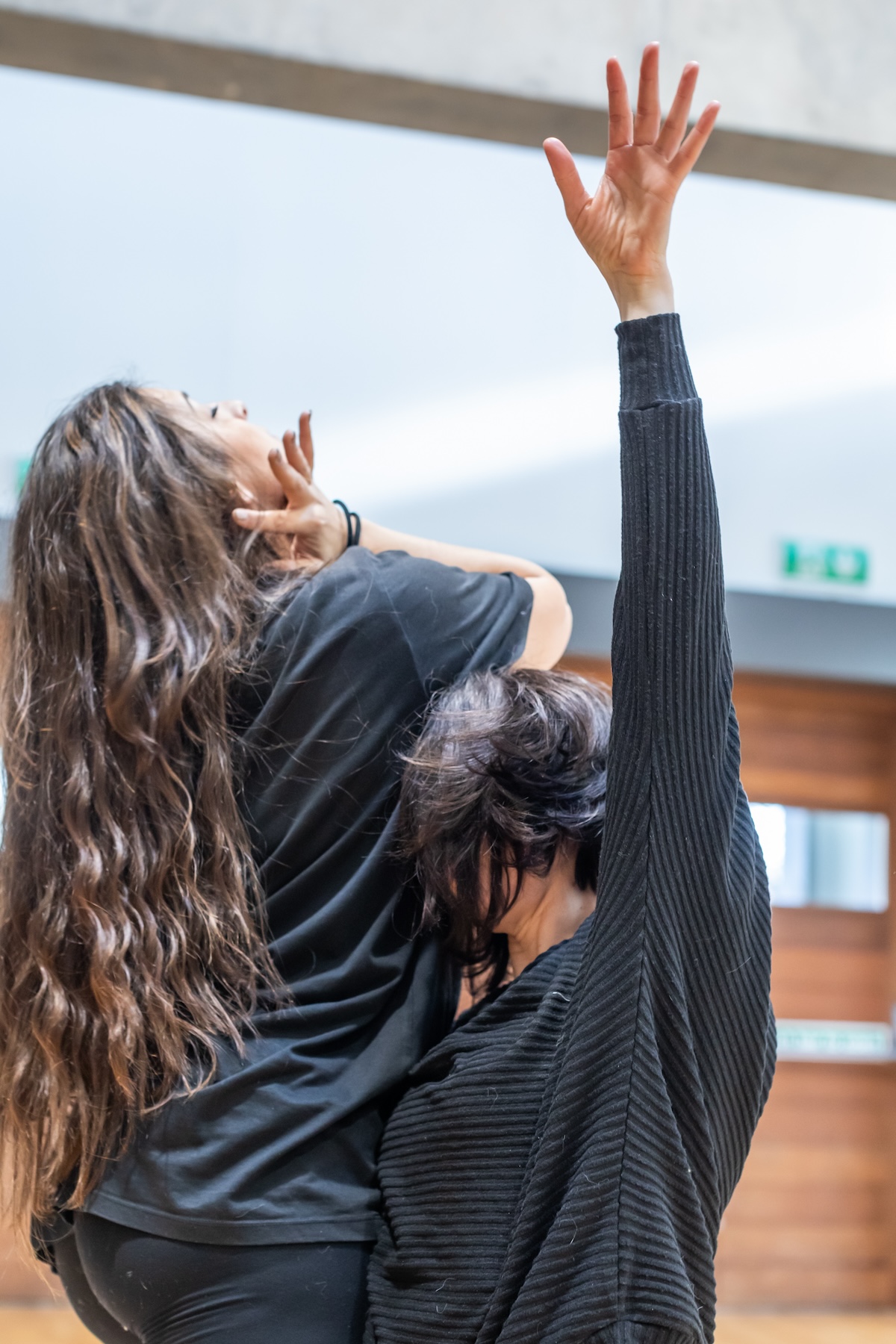
In this piece, there are no heroes, nor understudies. If Fadel or Strange are affected by unexpected circumstances in their lives, the show doesn’t have to go on as planned. Something else can take its place instead. Their encounters embrace the unpredictability of life, a theme that is central to their collaboration. They explore various ways to include each other and themselves in the performance, exploring the use of technology and installation. Their approach values the relationship they share, as well as their mutual respect and irreplaceability. This is an acknowledgment that, in this work, the performer and the piece are one and the same; they are not replaceable parts in a capitalist system. The work is influenced by the evolving cannon of artists exploring rest in practice, notably artist and activist Trisha Hersey’s seminal work Rest Is Resistance, and rest is incorporated into both the creation and the performance of the piece.
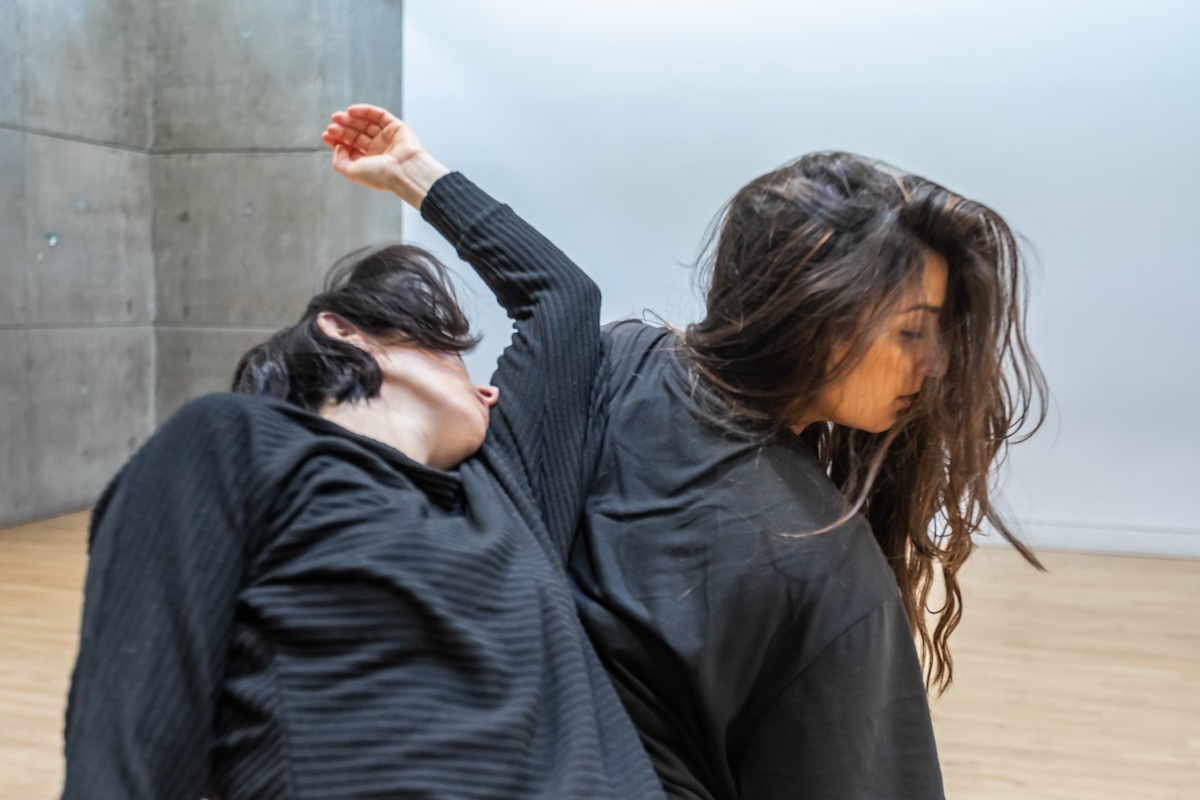
As the rest period drew to a close a quiet anticipation filled the room. Emma spoke briefly to explain what would follow: a showing of the work, a Q&A with the artists, and informal food and conversation for those who wished to stay. They reassured the audience that it was fine to leave at any time, which prompted a humorous remark from one attendee, a teacher, about how refreshing it would be to offer this same flexibility to her students. The artists would perform the piece in the space directly in front of the audience.
What followed was an intimate and tender dance piece, telling a story of friendship and support. It was performed with vulnerability and generosity, feeling like a gift. The artists, entering a state of creative flow where time seems to disappear, replaced conventional time with a sense of timelessness. This experience reminded me of the preciousness of live performance. After the showing, the audience engaged with the artists, asking questions like, “How did you begin this?” “What will you do next?” and “Did you feel an emotional benefit?”
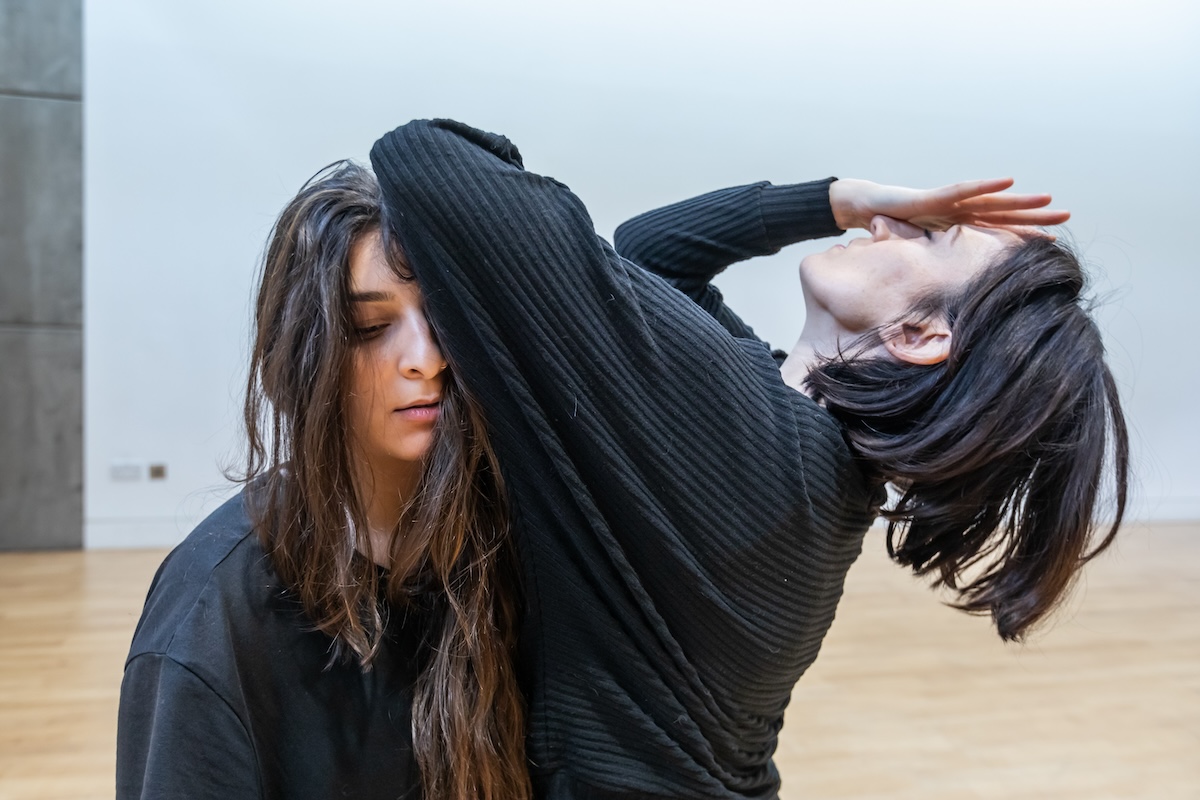
The event succeeded in creating a spontaneous community. Rather than pushing ourselves—performers, audience, and sector employees alike—to produce and consume in another international festival, the event felt like an invitation to slow down and receive. The work created a sense of witnessing, where the audience wasn’t simply consuming art as a commodity. Instead, they participated in a communal experience of seeing and being seen, a gathering of people rather than isolated consumers of an object.
It was inclusive not only of disabled people but also of the late, the stressed, and the tired—the human experience. As the event drew to a close, people gathered to chat and enjoy homemade hummus made by one of the artists, creating a relaxed and friendly atmosphere. It felt like the end of a party, with people joking about being the first to arrive and the last to leave. I made new friends and saw people exchange contact information. I was very glad that I made it and I look forward to the ongoing story of I Might Not Make It.