
In 2024 we’re celebrating 10 years since we opened up the Market Street vaults for our first week-long festival, but the seeds were actually sown four years previously.
In the first of our series of retrospectives, we’re travelling back to 2010…
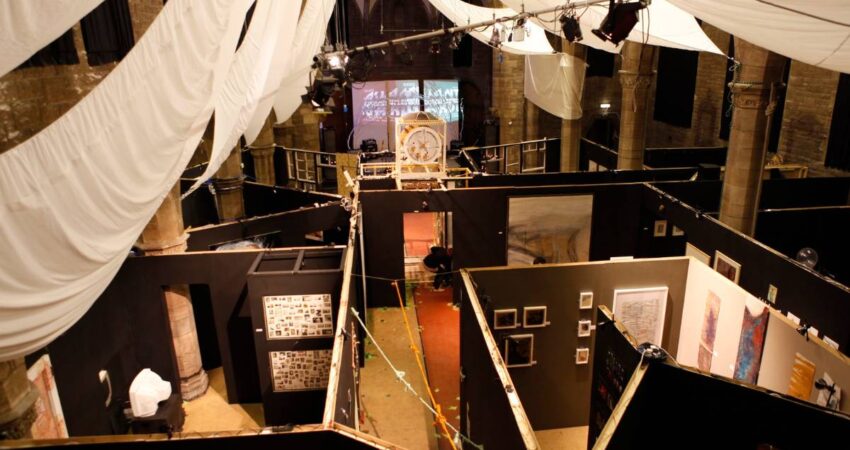
14 years ago, Hidden Door was born at the Roxy Art House in Edinburgh. Originally conceived as “an art exhibition in a pub”, the idea quickly evolved into a full weekender with a huge maze of art, spoken word and live music to discover.
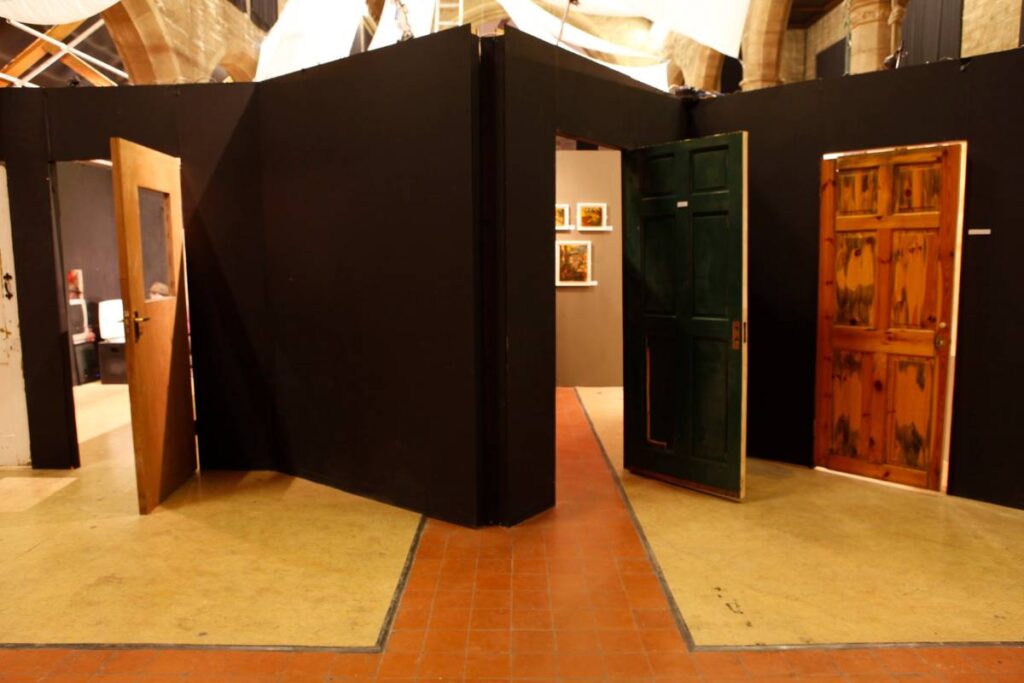
David Martin, one of the founders and former Creative Director, spoke to the Edinburgh Reporter to explain the concept: “I had organised an art exhibition with a bunch of friends and we decided to involve some music, and so we built a maze of stud walls.
“In order to get to the stage where the bands were playing, you had to find your way through this maze of little corridors and little rooms that we created.
“People put bits of art inside them, so you had to find your way through all this art to get to the thing you actually wanted to see.”
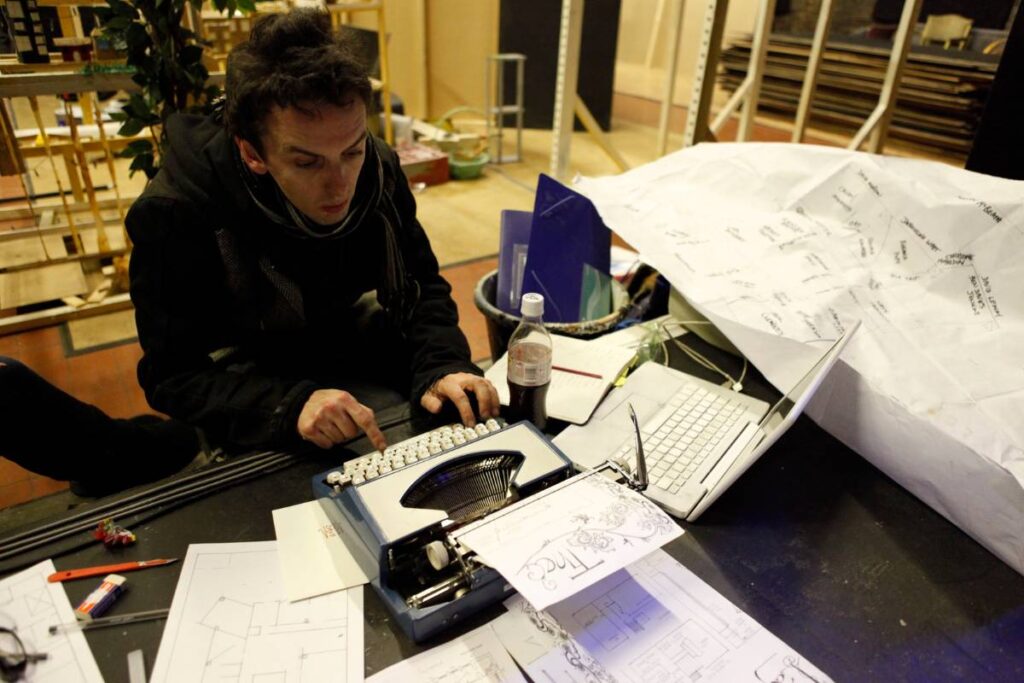
“The sense of possibility and excitement was infectious,” says Jack Nissan, one of the original organisers and director of Tinderbox Collective, a music and arts organisation in Edinburgh.
“It was all new, everything felt like a challenge. It brought so many people together and just made you feel like you could make stuff happen.
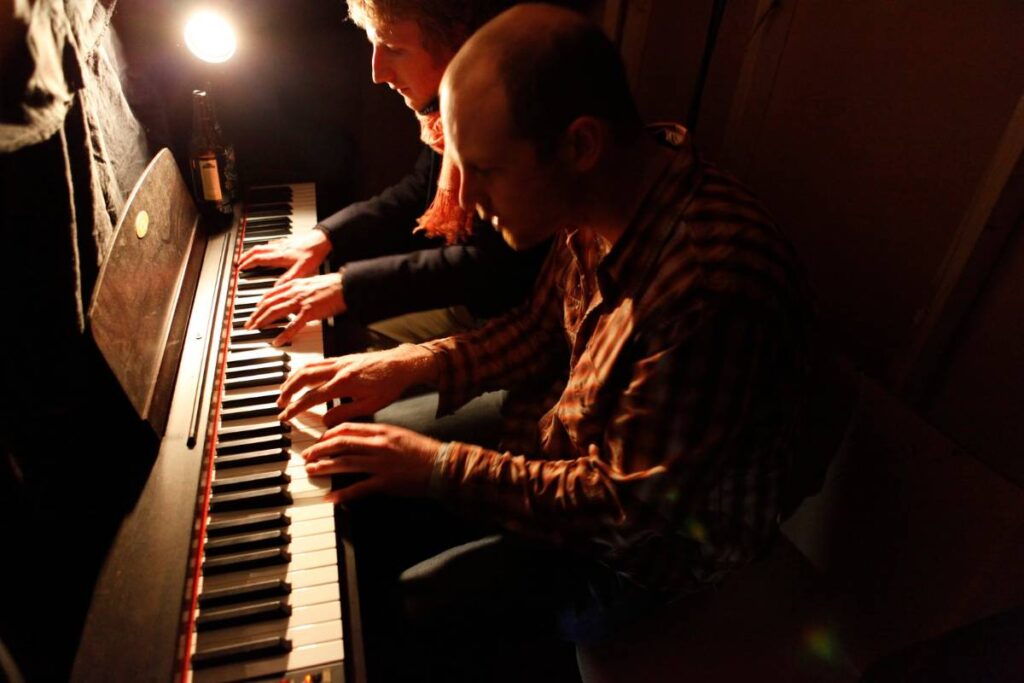
“I designed a hidden little piano room with artist Natasha Russel – people would perform from the room and everyone could hear the music, but you could only discover them through little spy holes in the wall.
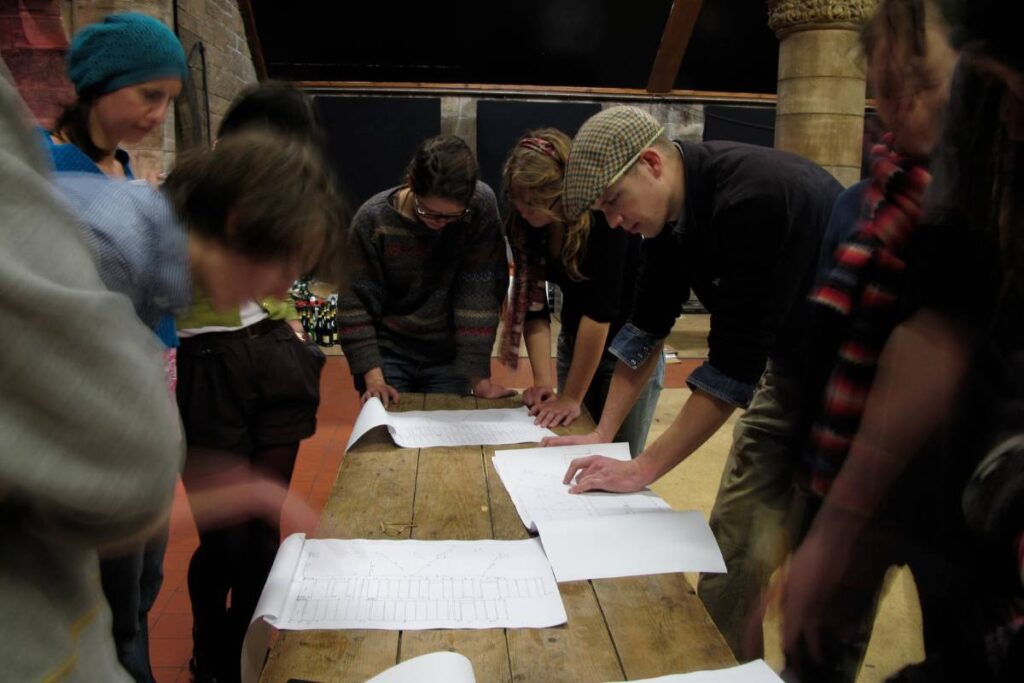
“I recall being part of a massive human chain passing hundreds of rolls of grass/turf along the street and upstairs to turn the theatre into some sort of surreal indoor garden. It was great to meet so many new people and to feel part of a much wider arts scene in the city for the first time.”
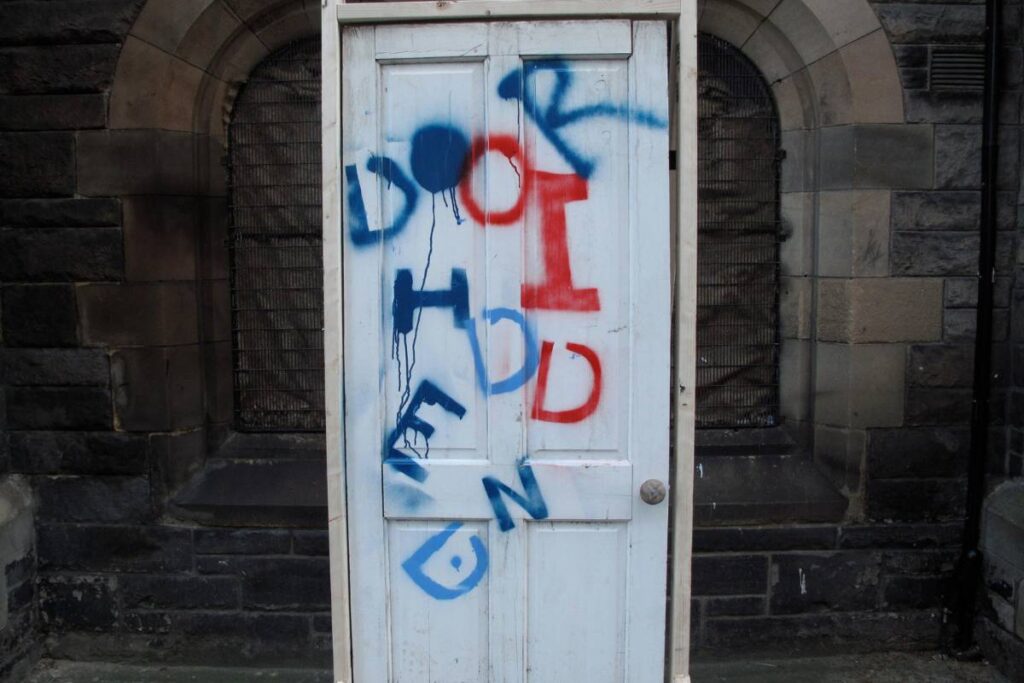
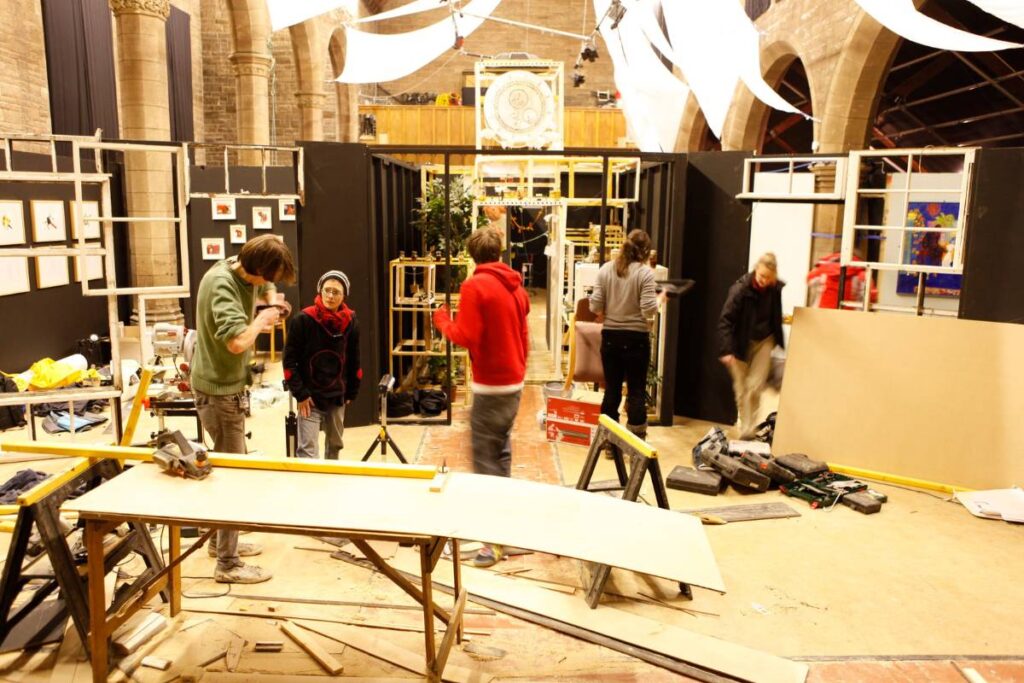
“The Roxy had been transformed into a Wonderland and I was Alice going deeper and deeper down the hole”
Emma Parks, The Guardian
The February event proved such a success that the organisers decided to return in October, putting on an even more ambitious event featuring 40 bands, 60 artists, 20 poets and 20 film-makers.
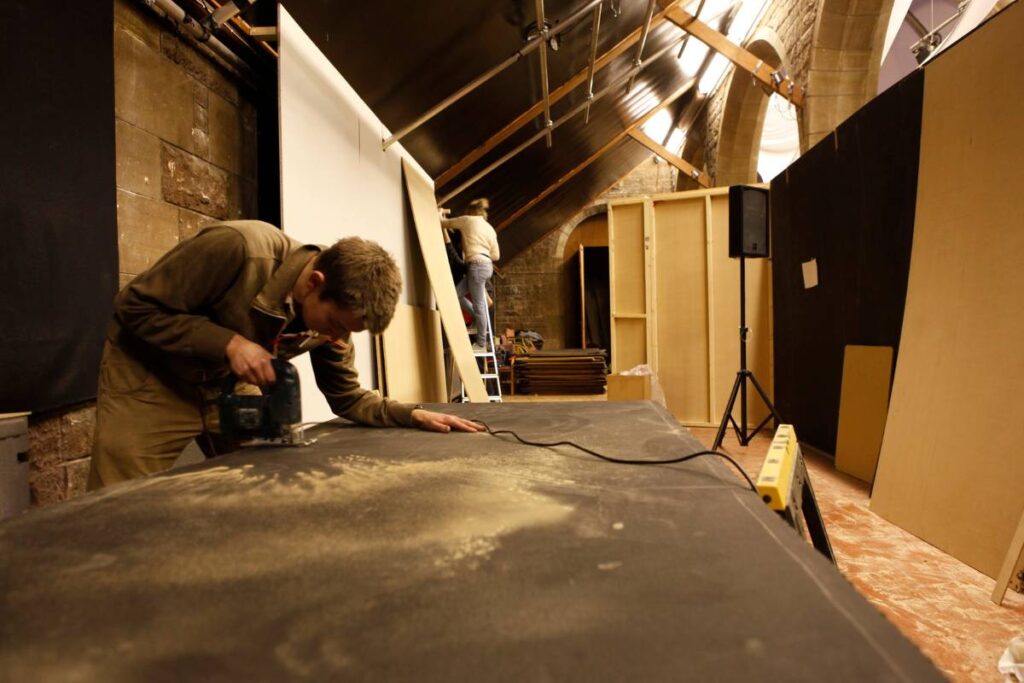
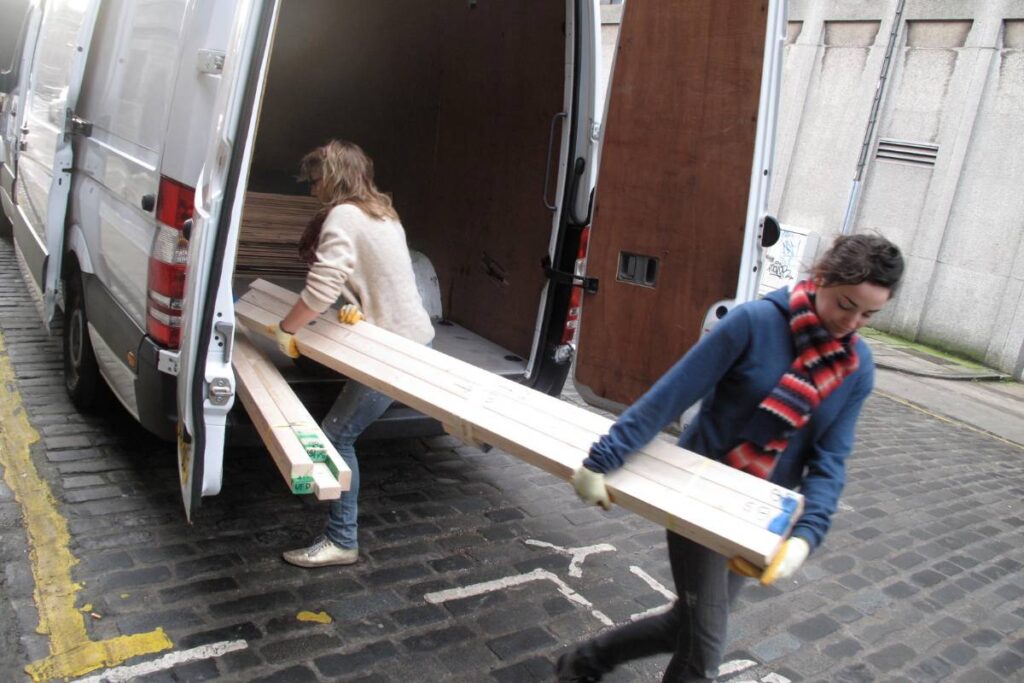
The event transformed the Roxy Art House on every level, with the theatre becoming The Garden full of installations, the bar converted to a Hidden Cinema showcasing over 40 short films; and the gig space hosting Impossible Interactions, a series of interactive artworks.
Elsewhere, Impossible Journeys presented a series of poetry-based installations throughout the venue, and the main space boasted 5 unique stages hosting creative collaborations with artists, musicians, poets and film-makers.
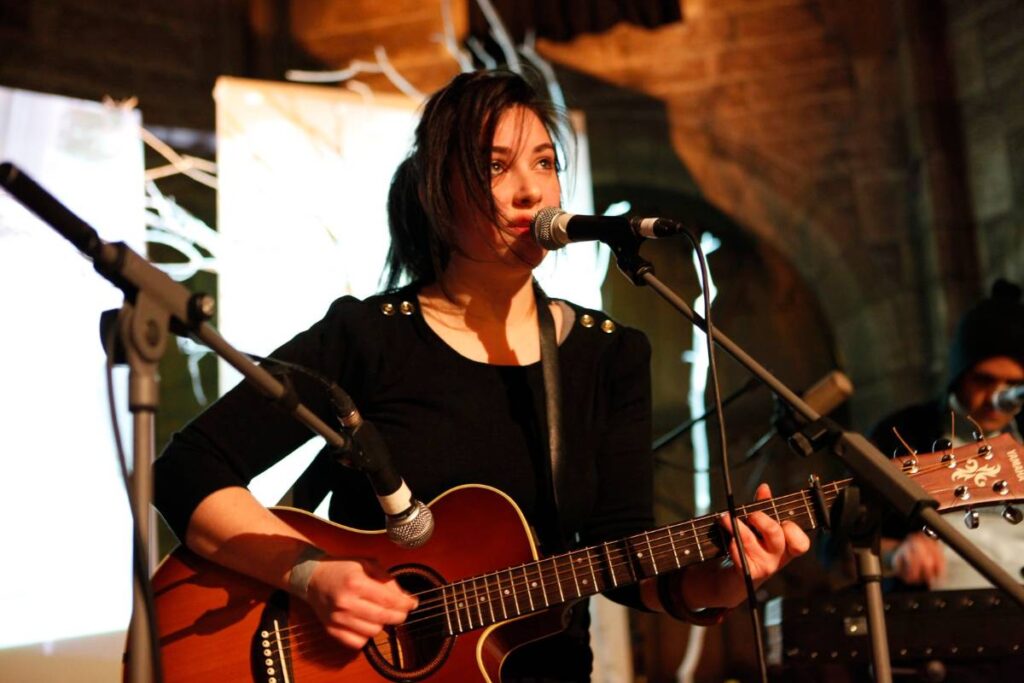
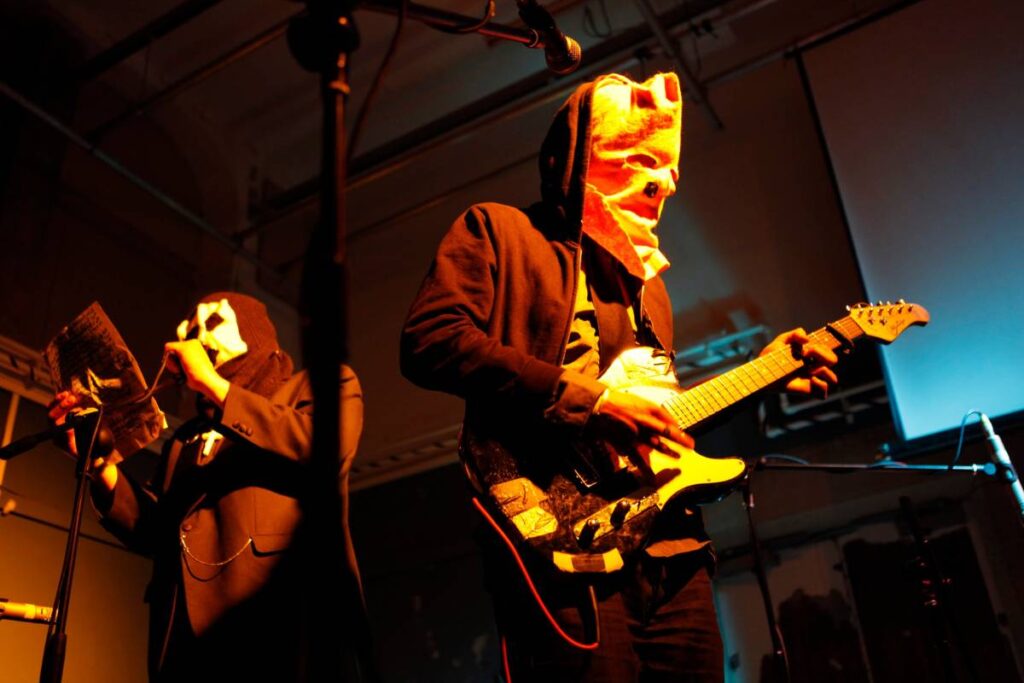
“We built five stages with five bands playing in the round,” explains Jack. “The audience were in the middle, and there was a massive wall of sound building all around you.”
“It was one of our proudest moments!” adds Jill Martin Boualaxai, a multimedia artist and another Hidden Door founder.
“Each stage was designed and built by different groups of artists. I remember that performance vividly, standing in the Roxy and experiencing the music from all angles.
“It was amazing that we managed to pull it off!”

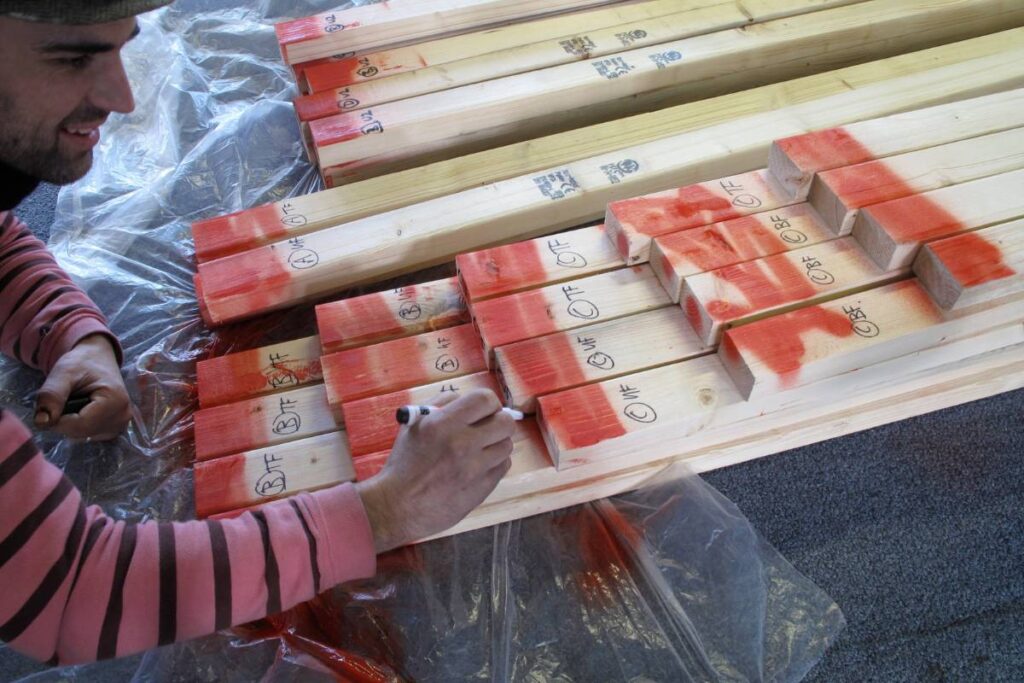
Jill has been involved ever since those early days.
“At the beginning, Hidden Door had less of an organised team structure and everyone was involved with everything. It’s quite amusing to me that I ended up taking on the role of finance person at some point! This wasn’t exactly my forte, and fortunately, I was replaced in that role once the team expanded to include people with different skill sets beyond just the arts.”
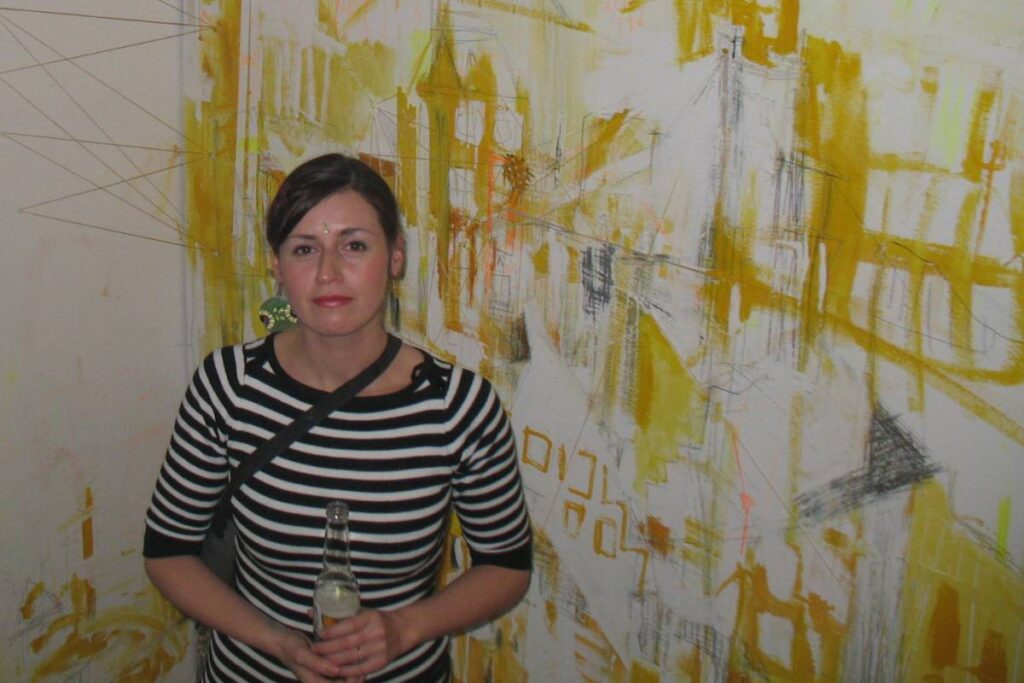
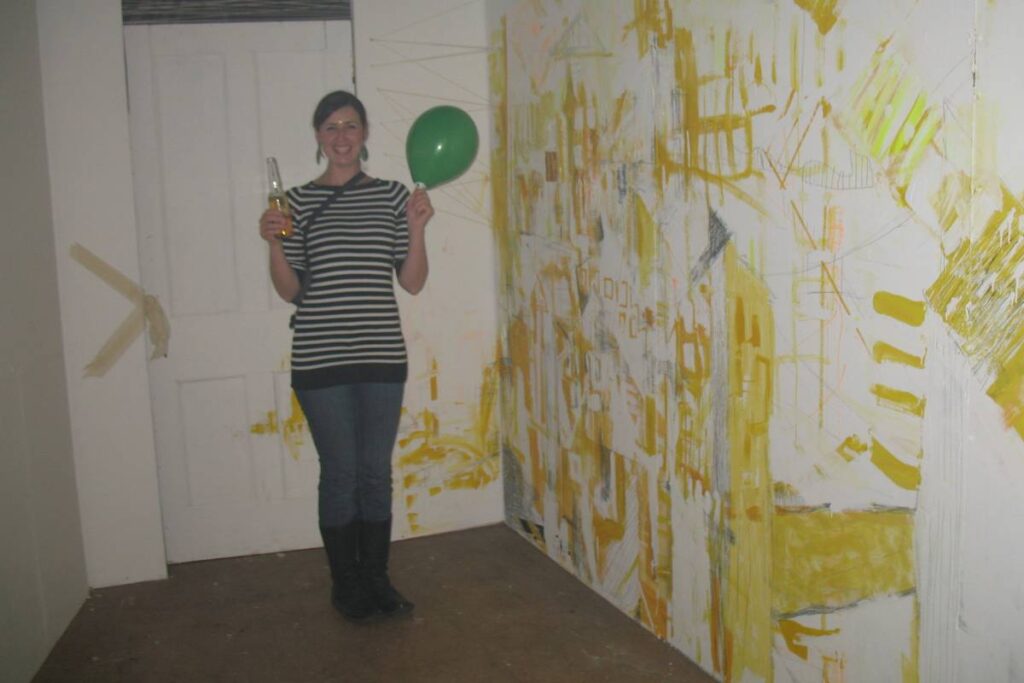
Whatever their role, it was clear that the team were all committed to supporting artists.
A practising artist herself, Jill reflects on the impact it has had: “It’s challenging to get your work out there in the public domain and Edinburgh in particular has less artist-led space and opportunities, especially if you’re an artist who creates temporary interventions or site-specific works.
“Hidden Door has made a significant difference in the art scene of the city, and what we’ve accomplished is exceptional.
“Over the years it has given countless creatives the chance to explore their art practice, take risks, and create site-specific work in unique spaces.”
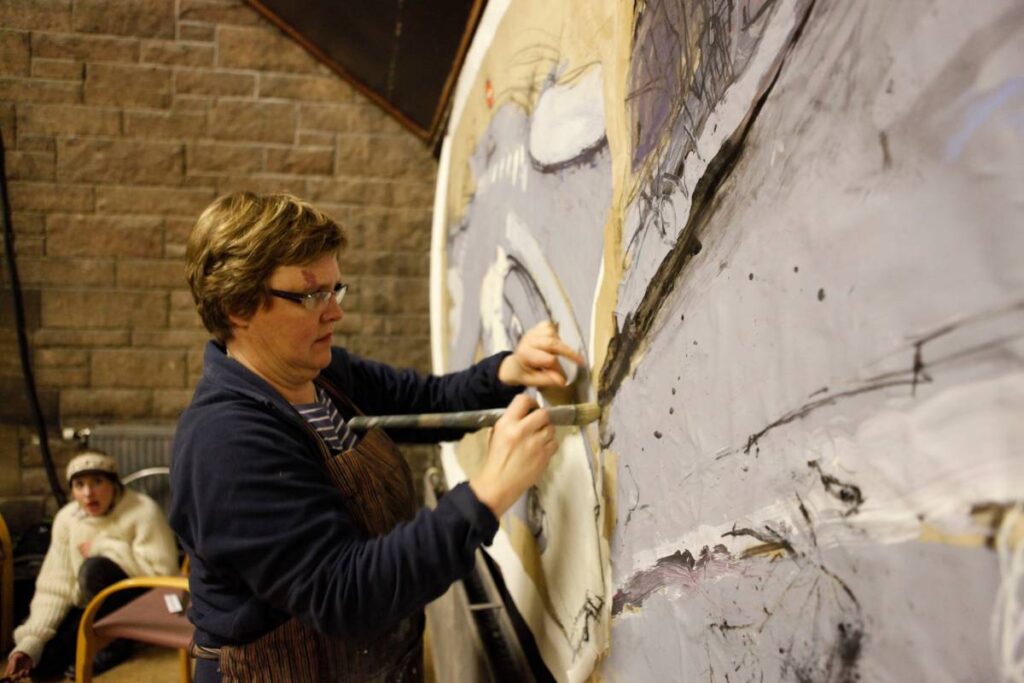
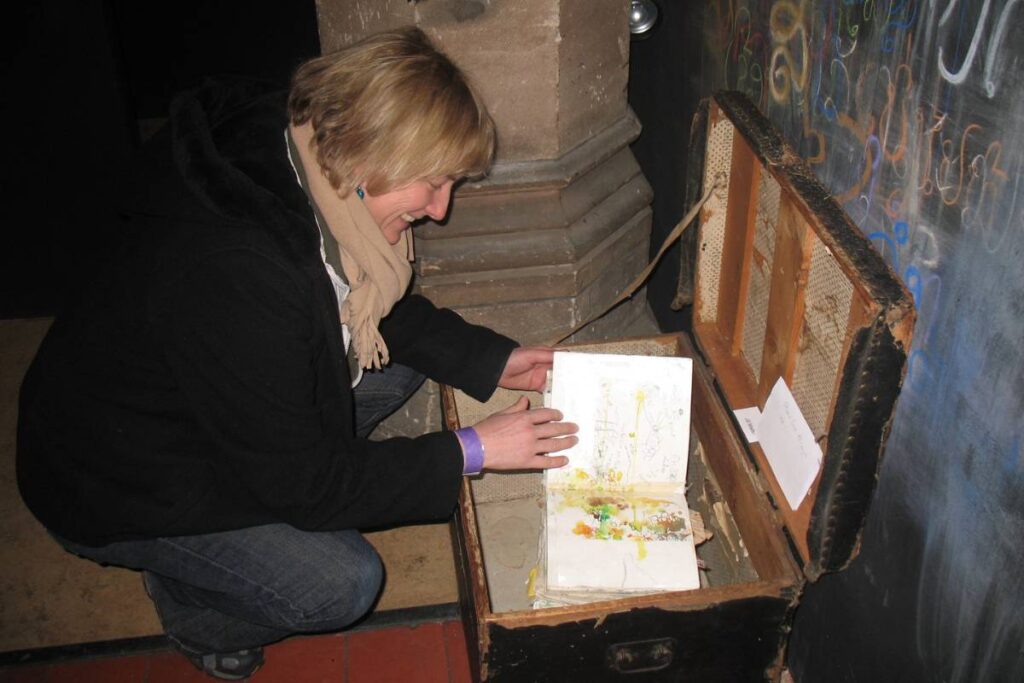
Jack agrees: “Hidden Door gives people a sense of possibility which always leads to other things. I met so many new people through those first events that I’ve worked with since, and a heap of new projects, ideas and organisations emerged out of these.”
The closure of the Roxy, the day after that second event, was the catalyst for Hidden Door to transform into its current festival format. During the intervening years, the team regrouped to discuss how they could build on these early events.
“We began entertaining the notion of pop-up events in abandoned spaces,” says Jill, “and we started figuring out how to make this happen.”
To find out what happened next, check out our feature on Hidden Door 2014
Images: Jill M Boualaxai and contributors. Words by Jim.