
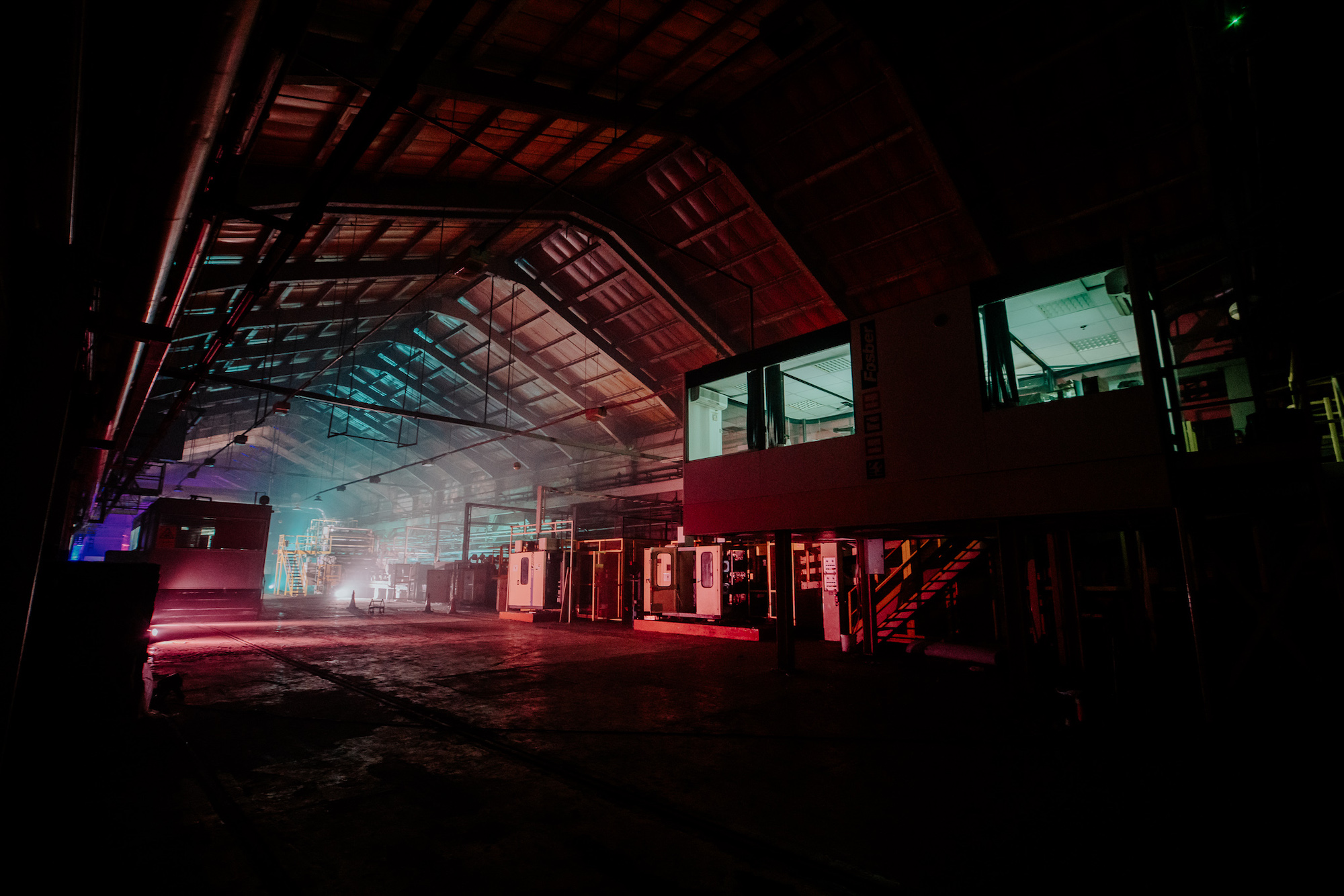
As Hidden Door Festival returns to the Paper Factory for one Last Shift, the programme centres on memory, exploring what a building remembers and the traces it holds.
This year’s creative collaboration projects speak directly to the wider identity of Hidden Door. Many themes across the programme — memory, traces, transformation, out-of-place objects and the myths that accumulate around buildings — emerged through discussions long before the festival.
A lab held in late 2025 explored what remains after a festival leaves a site, how ideas can be carried forward, and how artistic work might evolve.
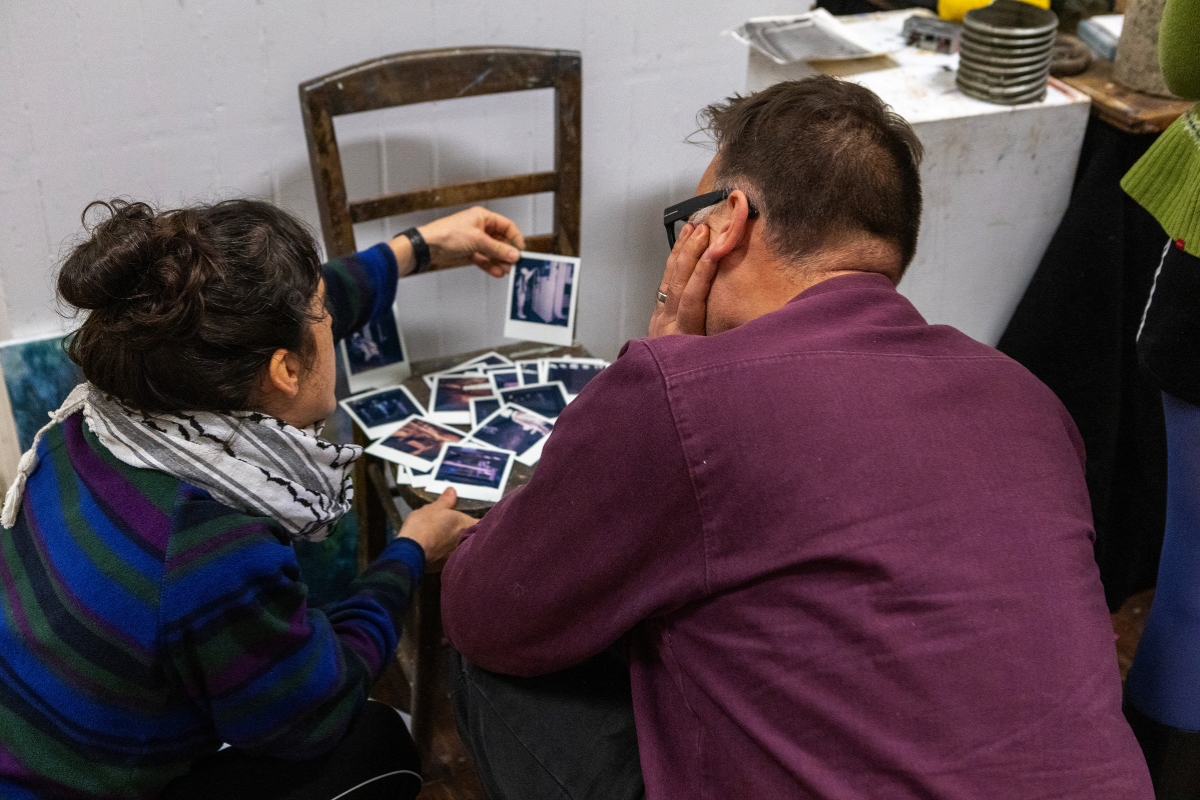
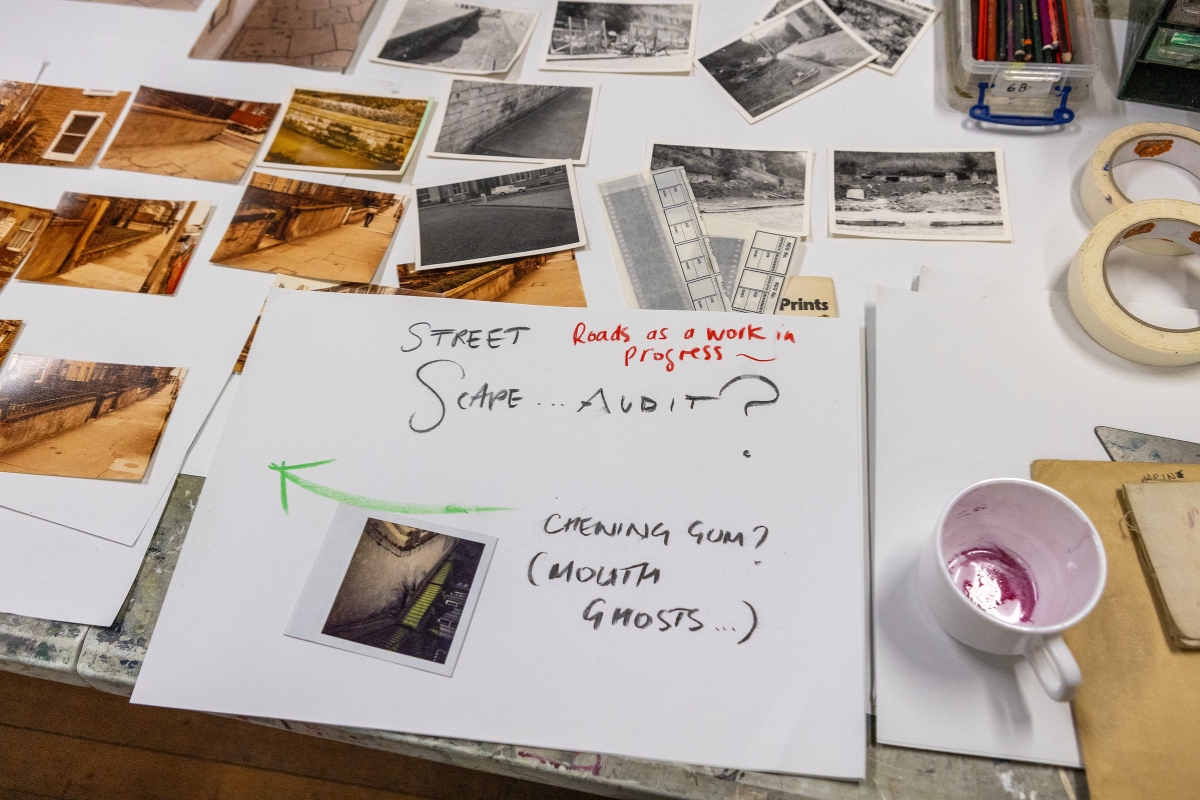
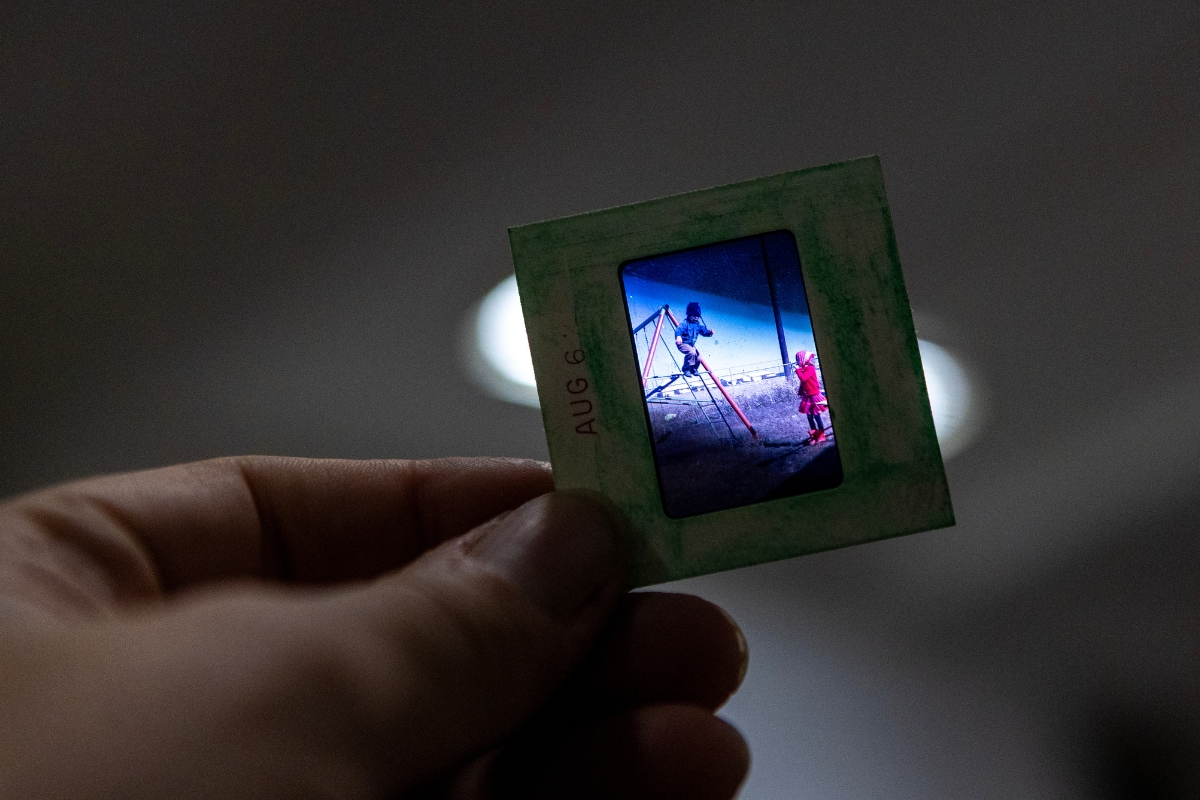
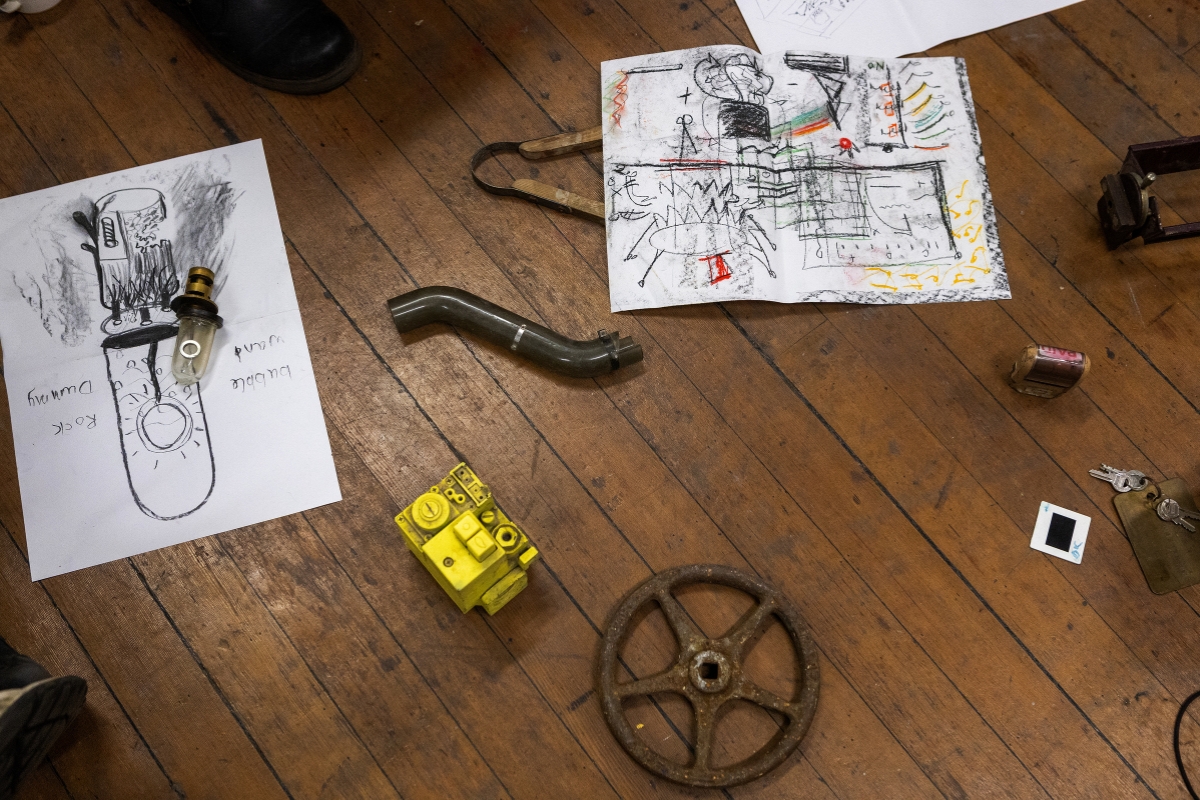
Jill Martin Boualaxai, Creative Lead for Hidden Door, played a key role in shaping and developing the festival’s collaborative projects and wider creative direction. She says: “These collaborative projects reflect Hidden Door’s wider approach to programme-making this year, where ideas have developed through ongoing conversations, artist-led labs and relationships built over successive festivals rather than through a single curatorial brief.”
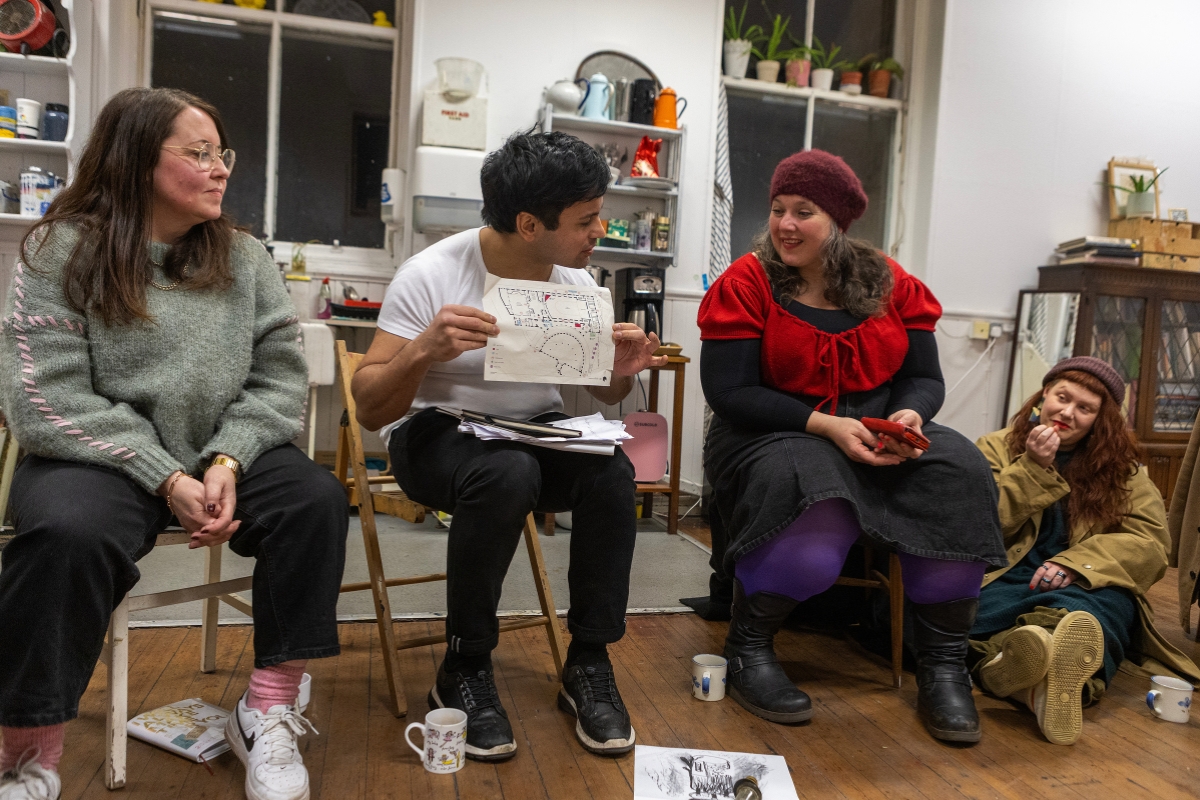
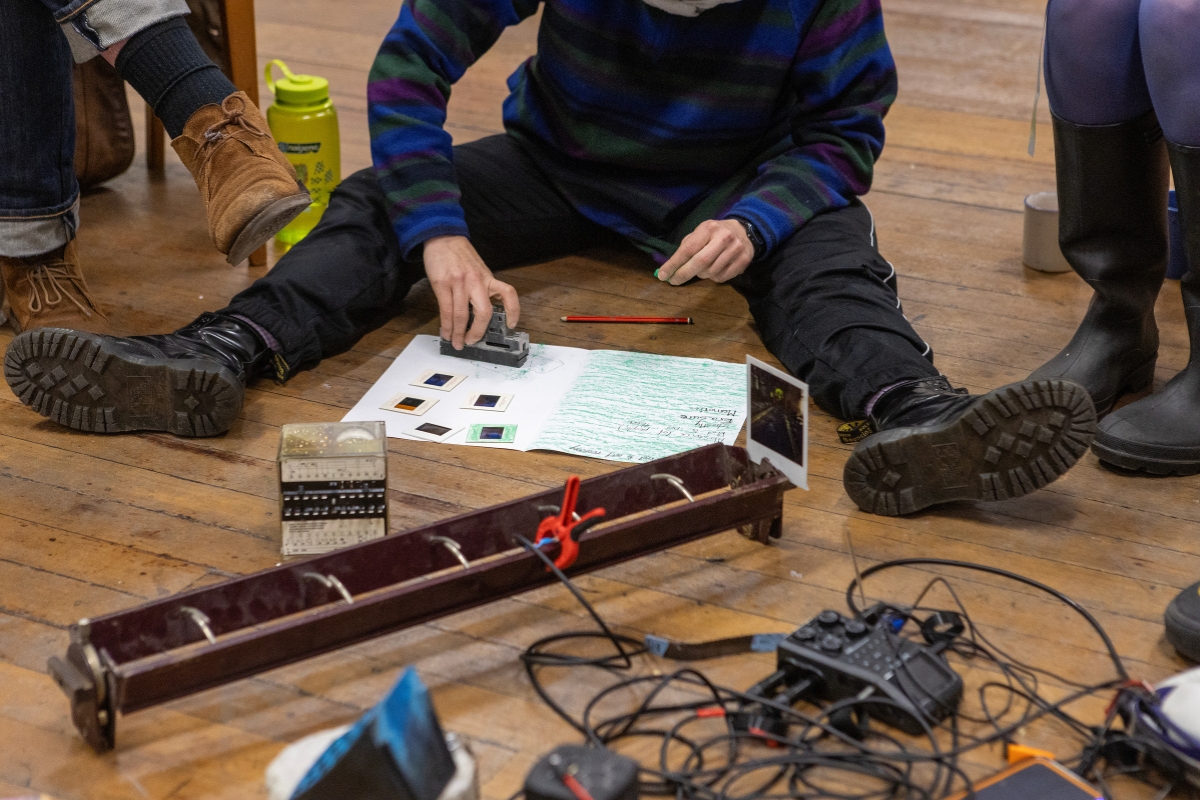
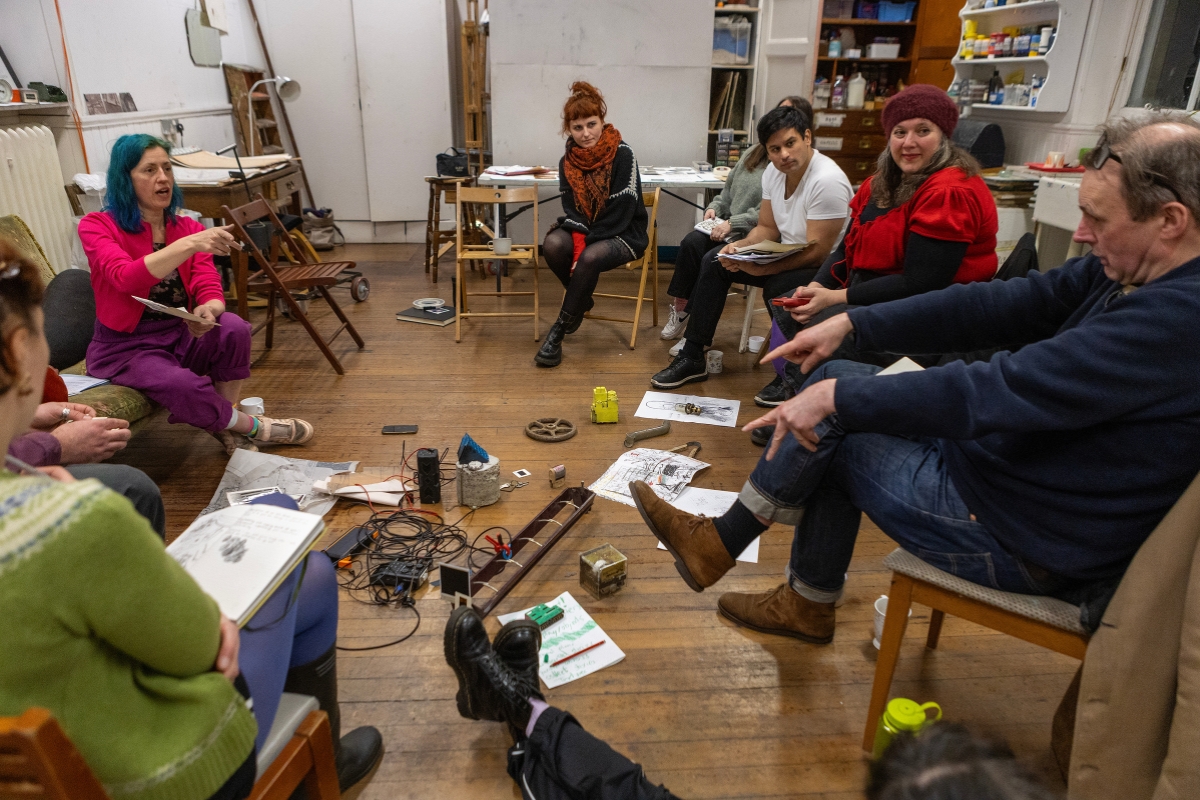
As a result, the collaborations are not isolated commissions but part of a wider interconnected process.
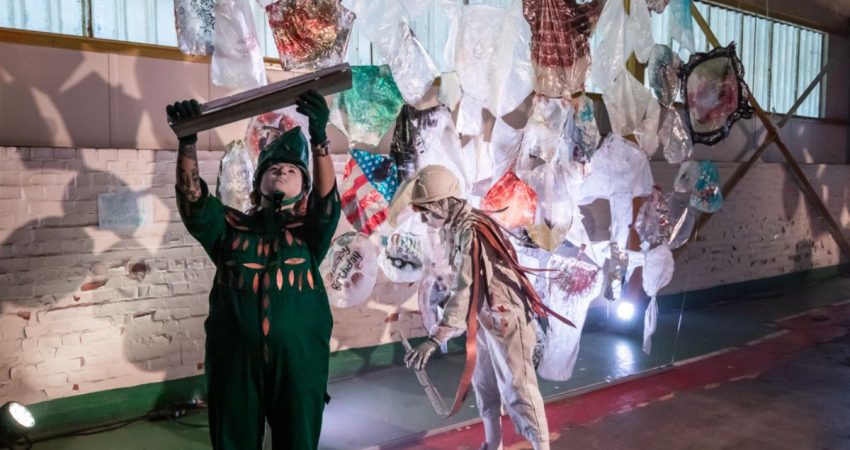
Several artists have revisited and expanded earlier projects, while others have responded to ideas from previous Hidden Door events. The works themselves embody the themes they explore, evolving from fragments of shared experiences and creative exchanges.
The projects span dance, physical theatre, installation, sculpture, sound art, film, projection, spoken word and site-responsive performance. Three anchor works that evolved from last year’s festival sit at the centre. Around them, further projects have grown through shared conversations, labs, site visits and experimentation.
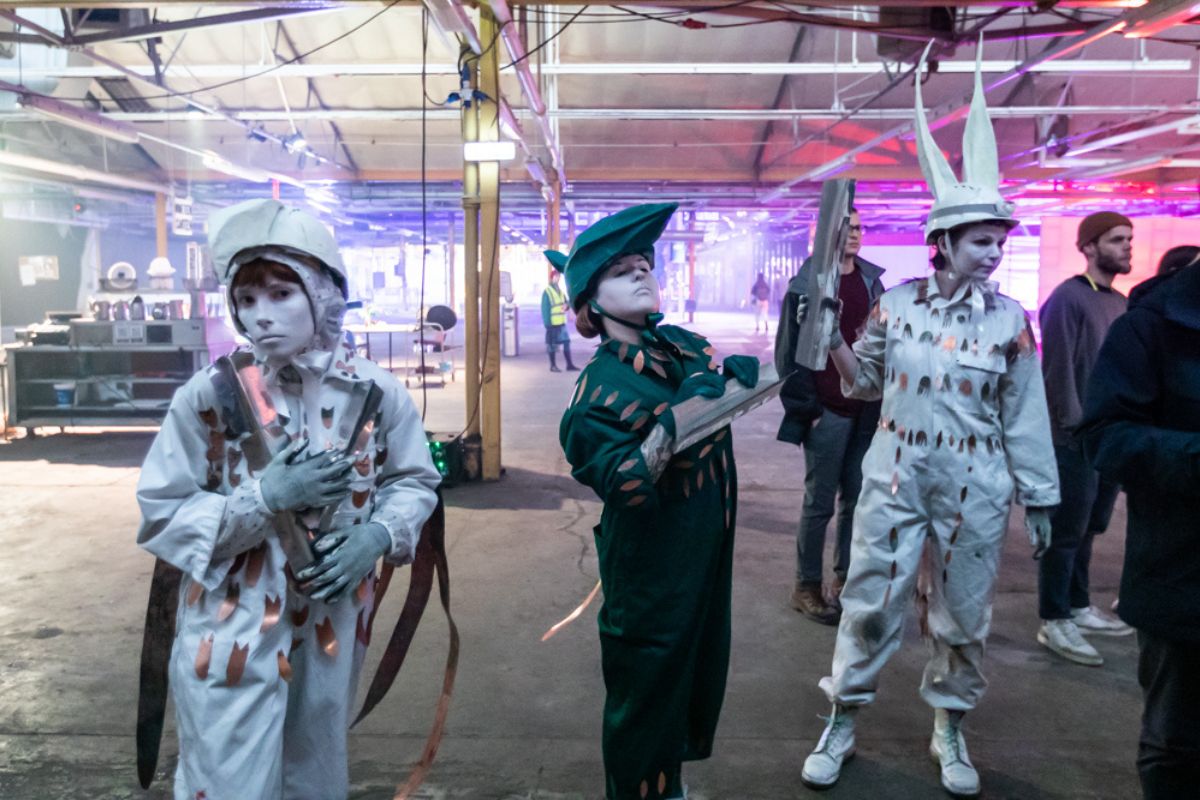
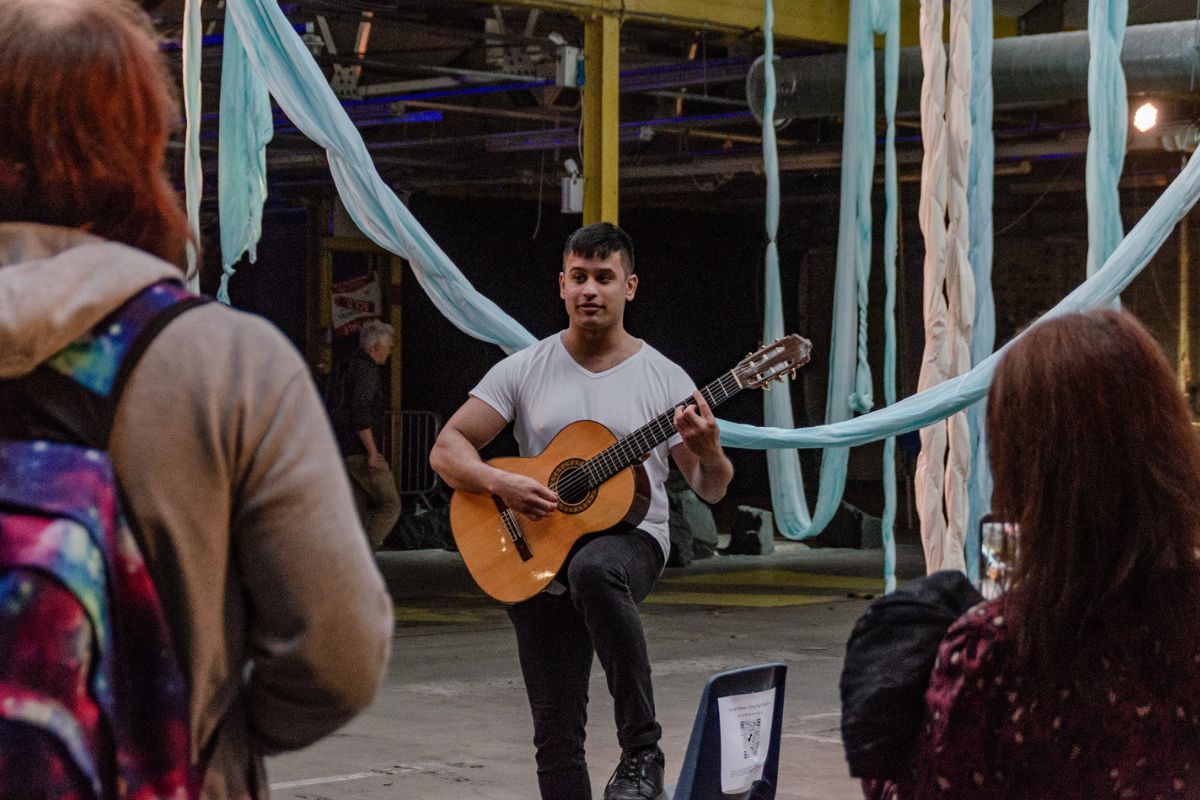
“The collaborative process has been as important as the final artworks,” Jill explains. “Rather than developing projects in isolation, artists have responded to the site and to one another’s work as it evolved… creating a connected festival world rather than a collection of separate projects.”
This second year at the Paper Factory feels markedly different. Last year focused on discovery — responding to the building’s scale, atmosphere and history. This year, the team has built on that knowledge to explore stories, ideas and artistic relationships born from the first encounter.
The site itself now contains traces of the previous festival, creating a dialogue between its industrial past and Hidden Door’s own history. Knowing this is the final year in the Paper Factory has deepened the programme.
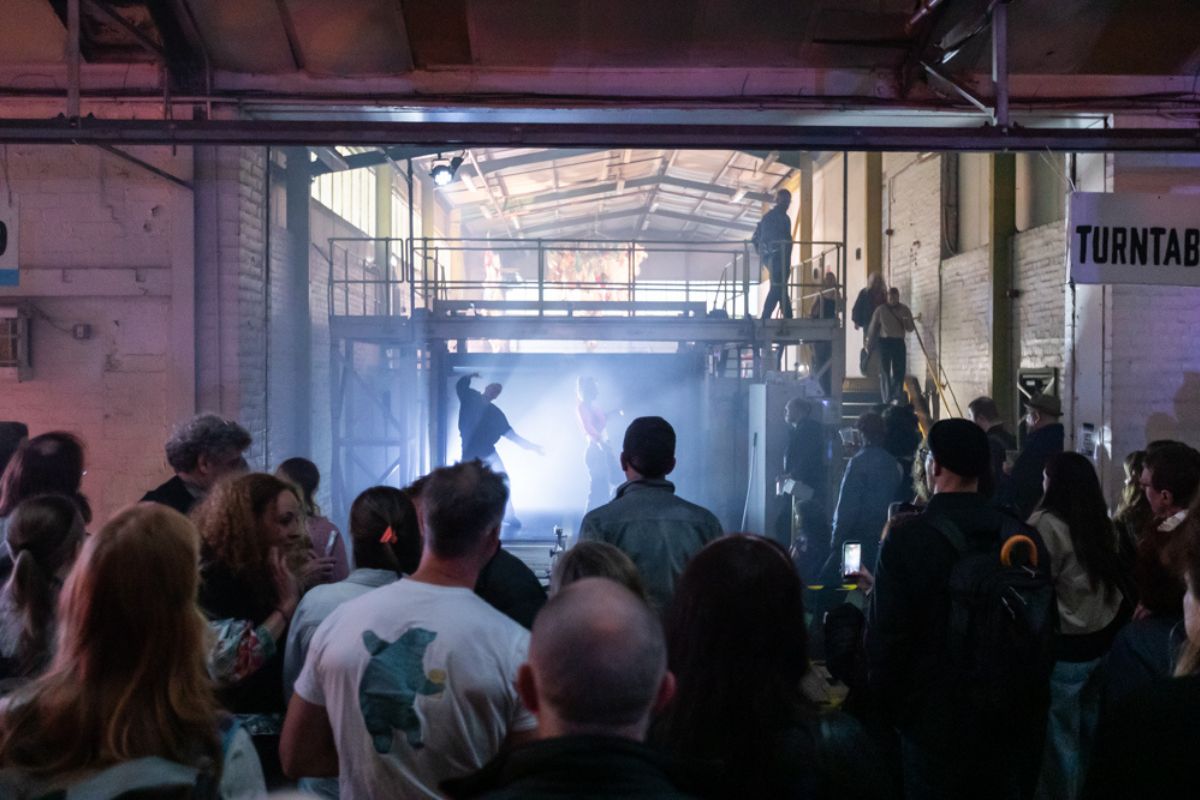
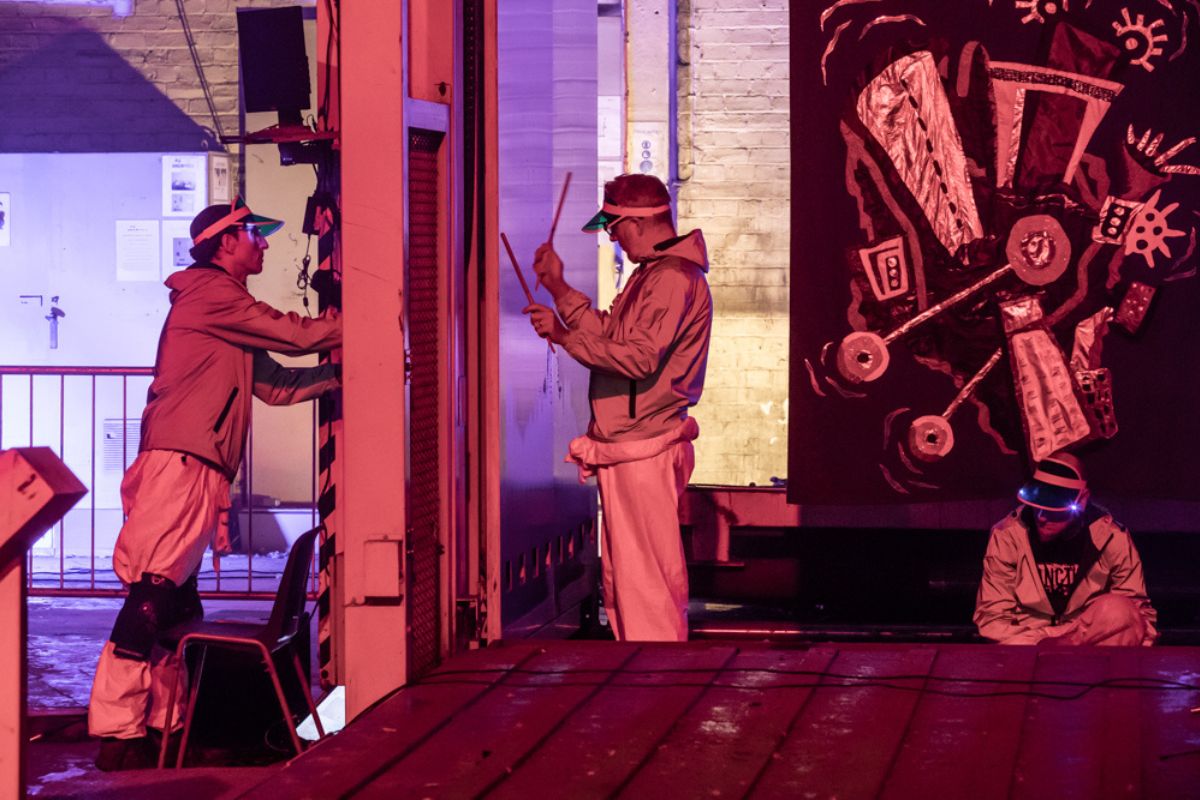
“It has encouraged us to celebrate the character of the site while reflecting on what remains after people leave a place, how stories are carried forward, and what traces are left behind,” says Jill. “The Paper Factory feels less like a venue and more like an active collaborator.”
The individual performances and installations are tightly connected. Performers, musicians and artists appear across multiple projects, while site-wide elements such as Andrew Brooks’ sound work and Lost Pigeon Radio create links between locations and experiences.
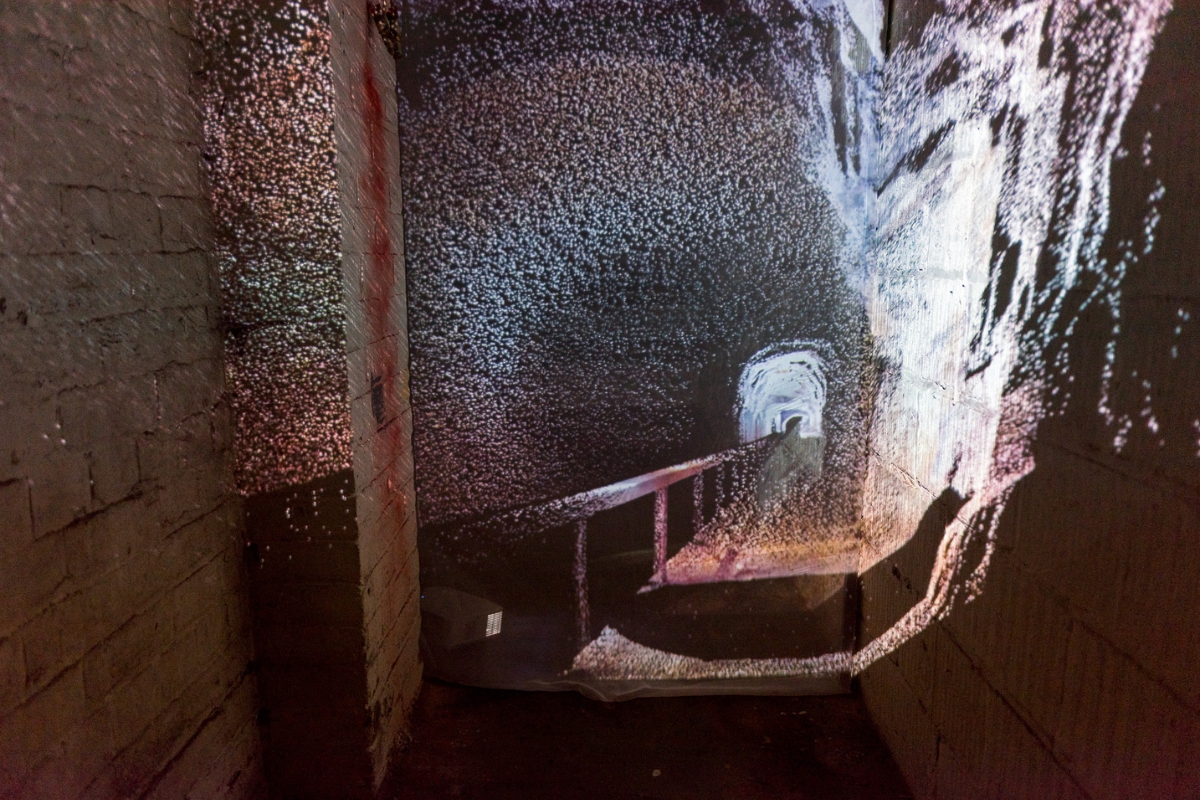
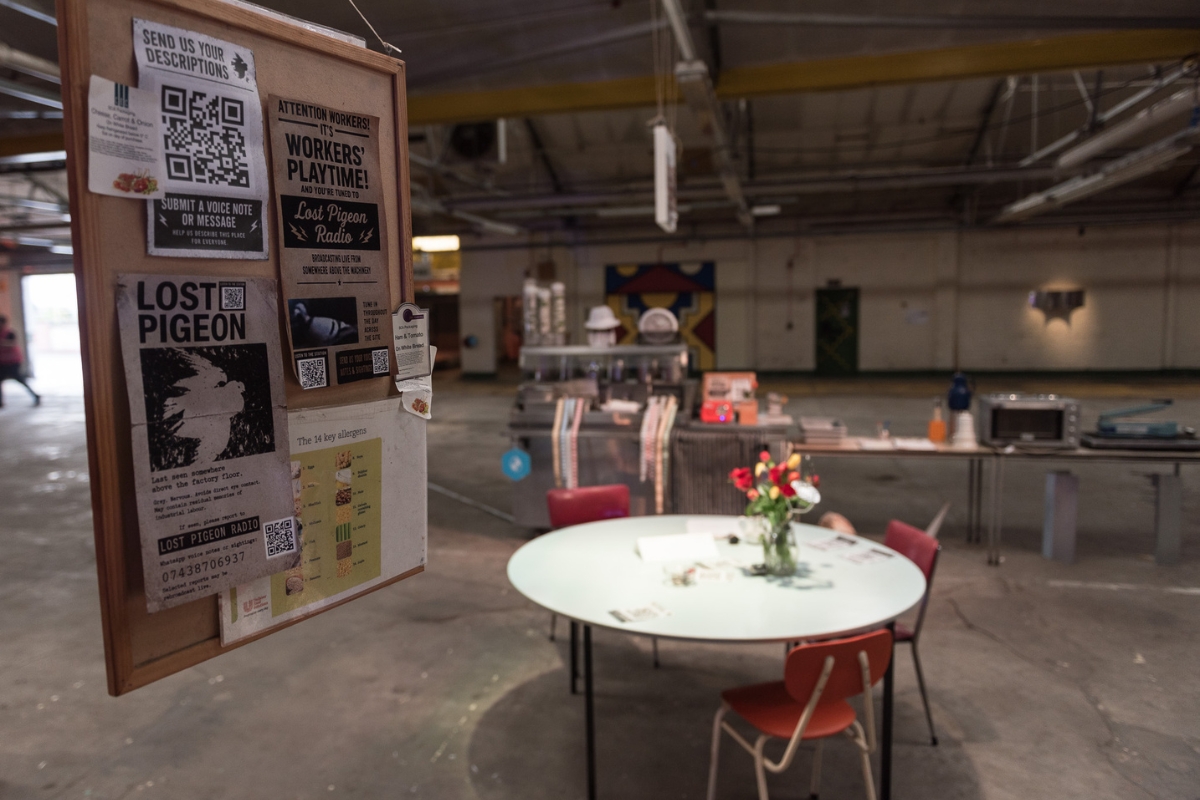
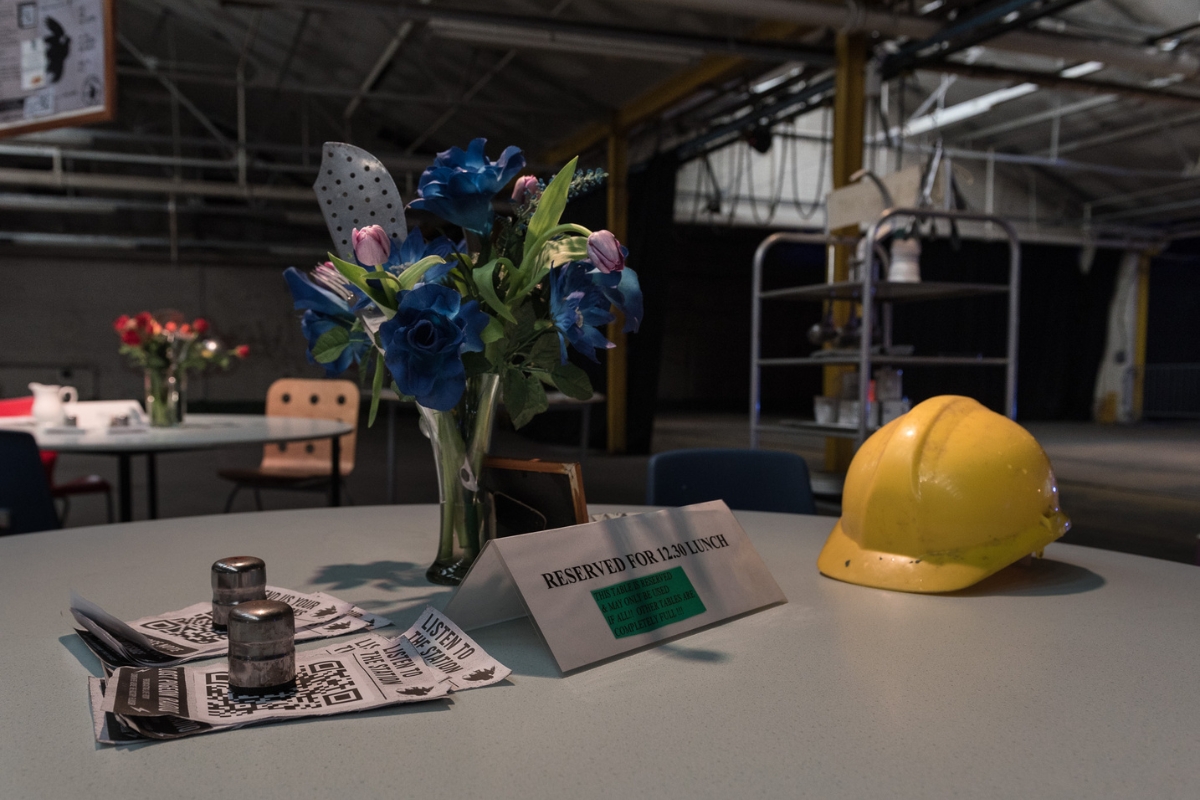
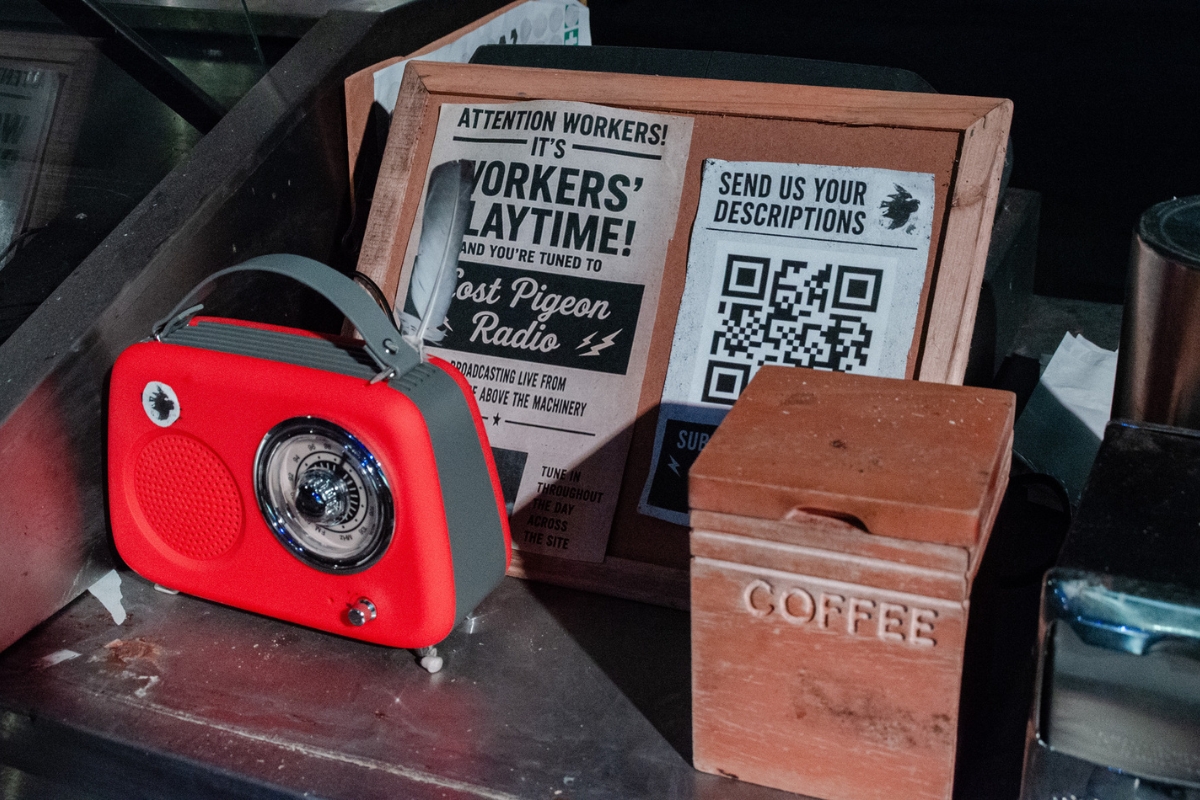
“One of my roles has been to notice connections and bring people into conversation with one another,” Jill reflects. “Many of the projects began as separate ideas, but through the labs, site visits and development process we’ve been able to create relationships between them. Audiences won’t just encounter individual artworks, they’ll encounter a whole ecosystem of ideas, stories and experiences unfolding across the building.”
A central theme is the Paper Factory as a building that holds memories — some rooted in its industrial past, others imagined or projected into possible futures. While current versions developed over recent months, many ideas trace back to labs from late 2024 and last year’s festival.
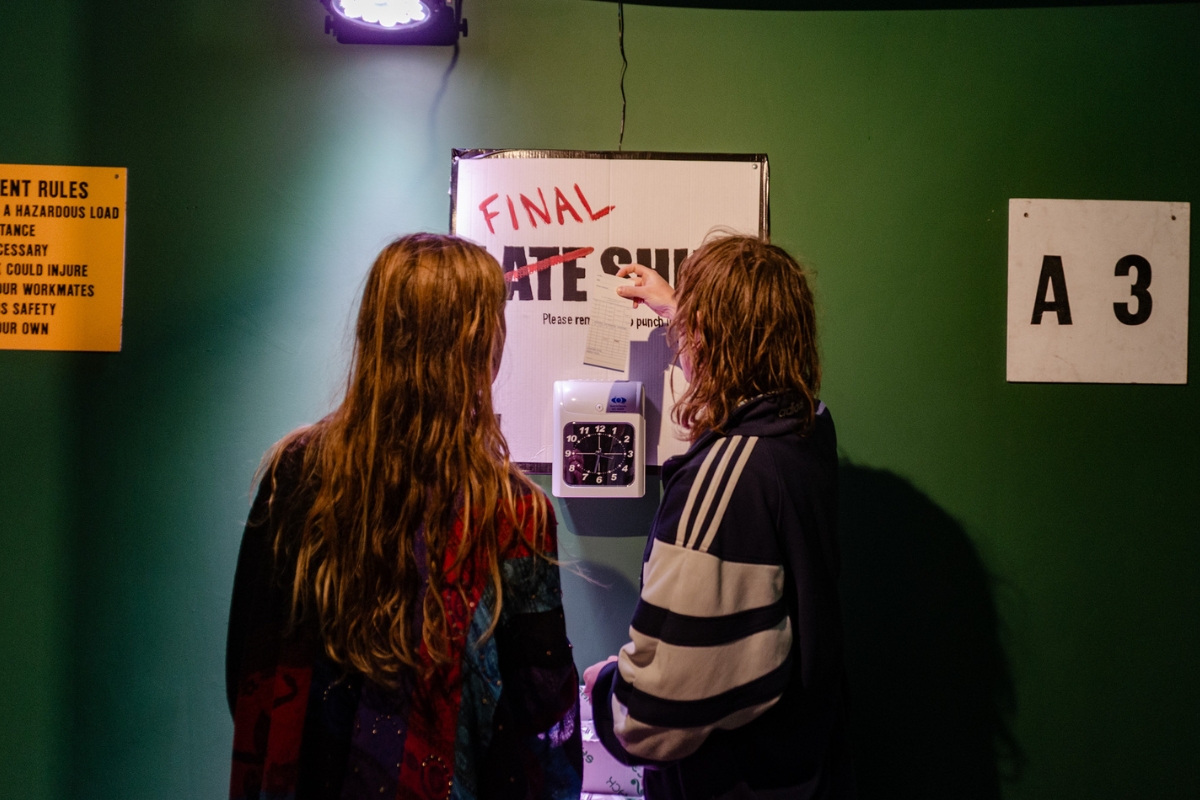
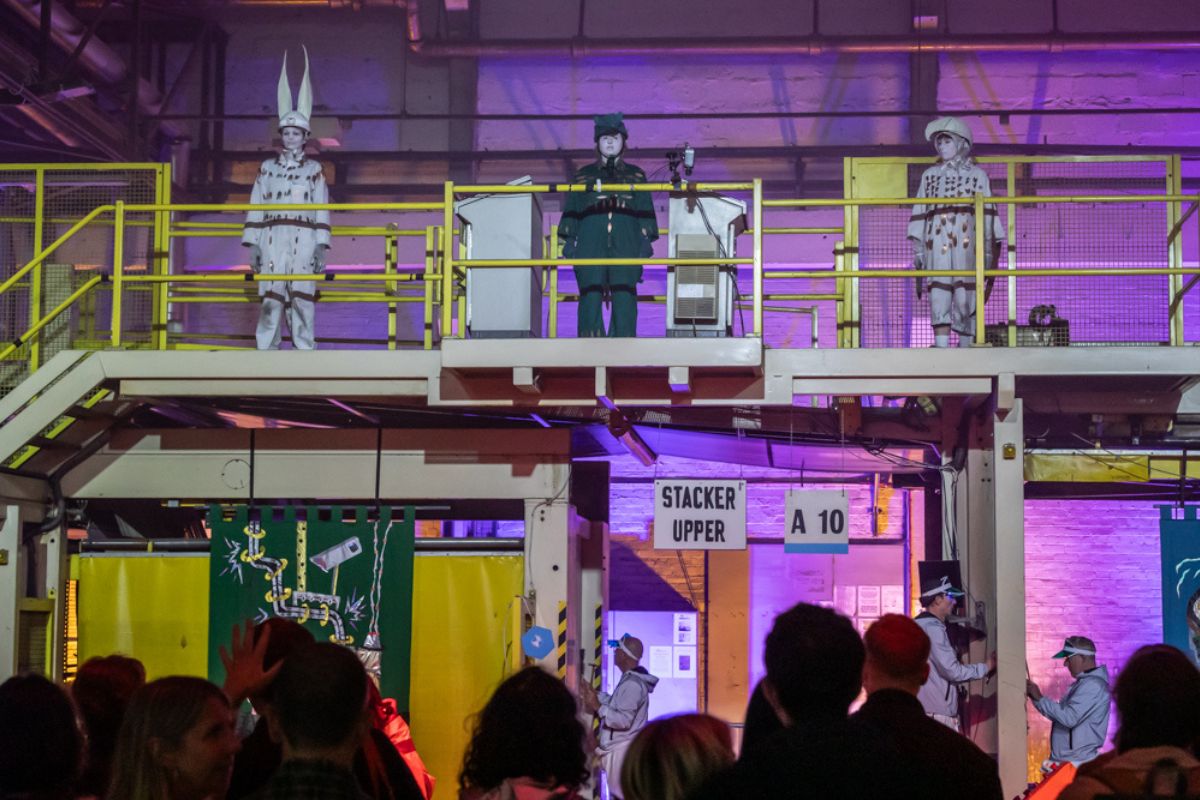
Jill hopes audiences leave with curiosity and discovery. The festival is designed for people to choose their own route, encountering different stories and layers along the way.
“I also hope the works encourage people to look differently at buildings and places,” she adds. “Many of the projects begin with the idea that spaces hold traces of past activity, memories and imagined futures.”
Almost all collaborations evolved unexpectedly. Connections and new partnerships emerged organically through time spent together, with ideas travelling between works beyond original plans.
This is why audiences should care. At a time when so much feels temporary, these projects invite us to slow down and consider the stories embedded in places around us.
“They explore how memory, imagination and collective storytelling help us understand where we have come from and imagine what might come next,” says Jill. “There is something hopeful in the way the work has been developed… these collaborations demonstrate how meaning, connection and new possibilities can emerge from what already exists.”
As the Paper Factory prepares for its last shift, Hidden Door 2026 is turning it into a living archive of memories — inherited, transformed and still evolving.
Hidden Door 2026 is on until Sunday 7th June.
Words by Isabella Leung in conversation with Jill Martin Boualaxai